
Ēku energoefektivitātes risinājumi
Uzraugiet un optimizējiet enerģijas patēriņu komerciālās ēkās ar IoT sensoriem un viedajām vadības ierīcēm.
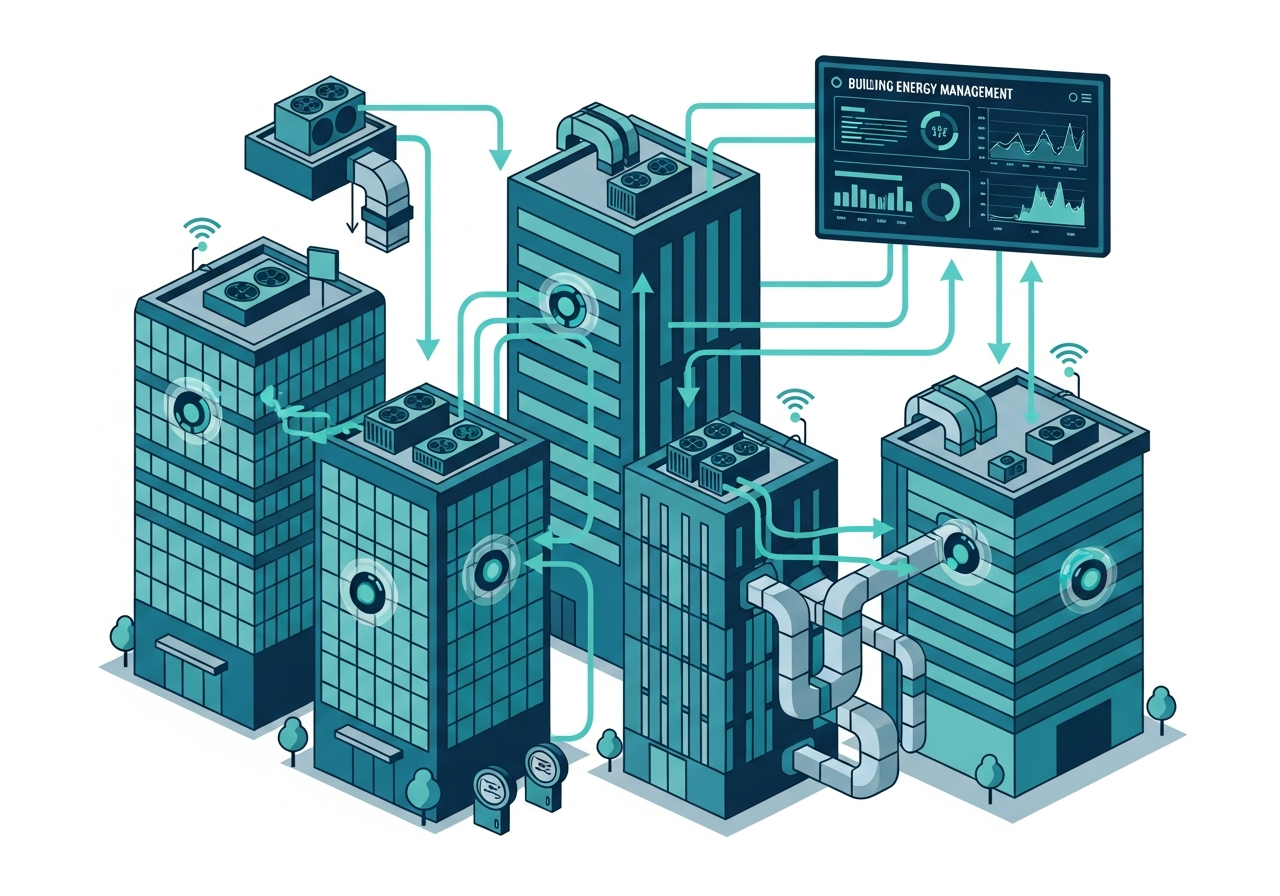
Ēkas izšķērdē enerģiju
Komerciālās ēkas veido 40% no enerģijas patēriņa. Lielākā daļa darbojas neefektīvi.
no globālās enerģijas patērē ēkas
tipiska enerģijas izšķērdēšana komerciālajās ēkās
ietaupījumi, kas sasniedzami ar viedo monitoringu
tipiskais atmaksāšanās periods
Enerģijas patēriņš bieži nav redzams
Daudzām organizācijām nav skaidras redzamības par to, kā viņu ēkas patiesībā patērē enerģiju.
Bez monitoringa
Ar IoT monitoringu
IoT enerģijas monitoringa sistēmas
IoT sensori ļauj nepārtraukti uzraudzīt ēku enerģijas patēriņu detalizētā līmenī. Atšķirībā no tradicionālās komunālo pakalpojumu uzskaitēs, kas sniedz tikai mēneša kopējos datus, viedie sensori uztver detalizētu informāciju par to, kā, kad un kur enerģija tiek patērēta.
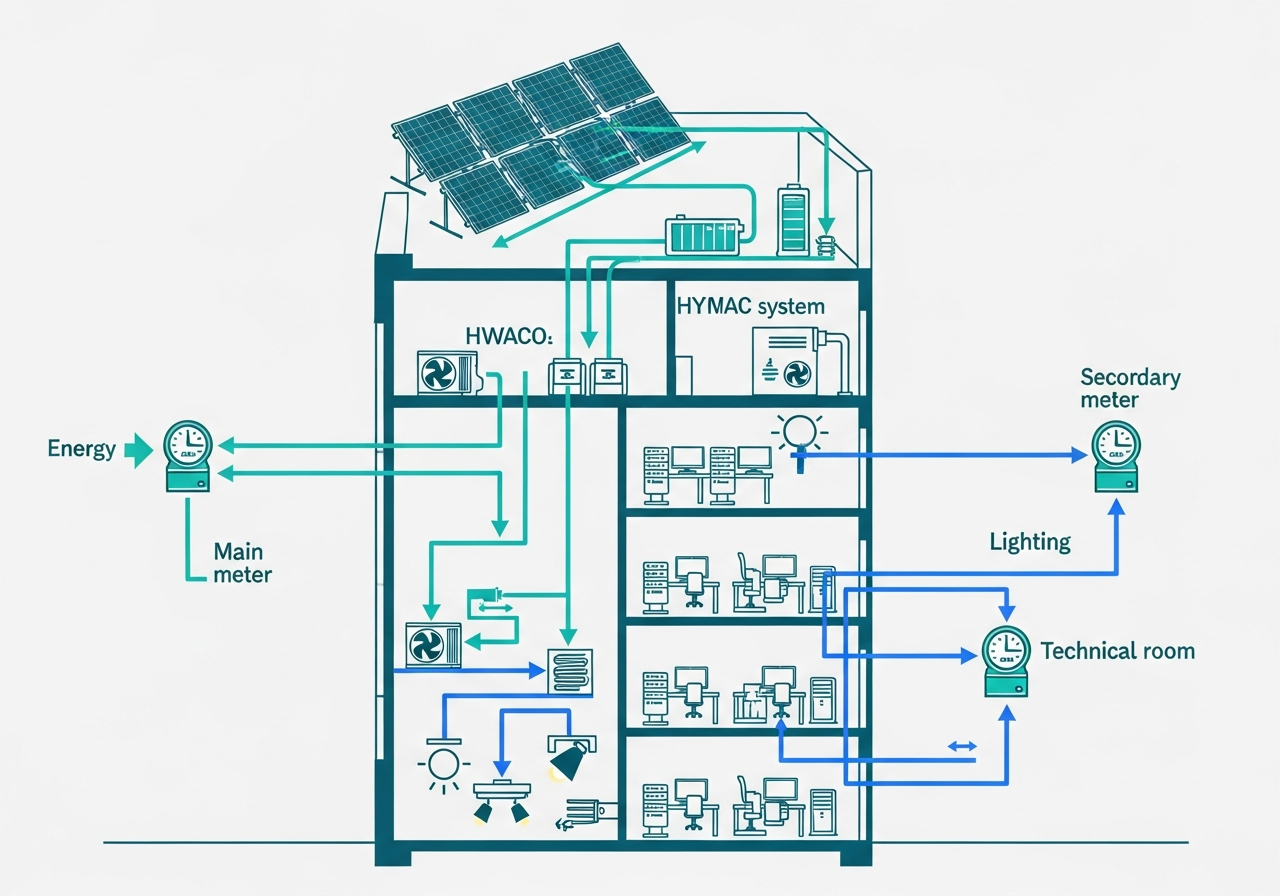
IoT ierīces var mērīt:
Elektrība
Kopējais un ķēdes līmeņa patēriņš
Ūdens
Lietošanas modeļi un noplūžu noteikšana
Temperatūra
Termālie dati pa zonām
Mitrums
Komforts un sistēmas veiktspēja
Noslogojums
Telpu izmantošanas modeļi
Aprīkojums
Darbības laiks un operacionālais statuss
Šie dati tiek pārsūtīti bezvadu režīmā caur LoRaWAN vai mobilajiem tīkliem uz digitālajām platformām, kur operatori var analizēt patēriņa modeļus un identificēt optimizācijas iespējas.
Enerģijas analītika un optimizācija
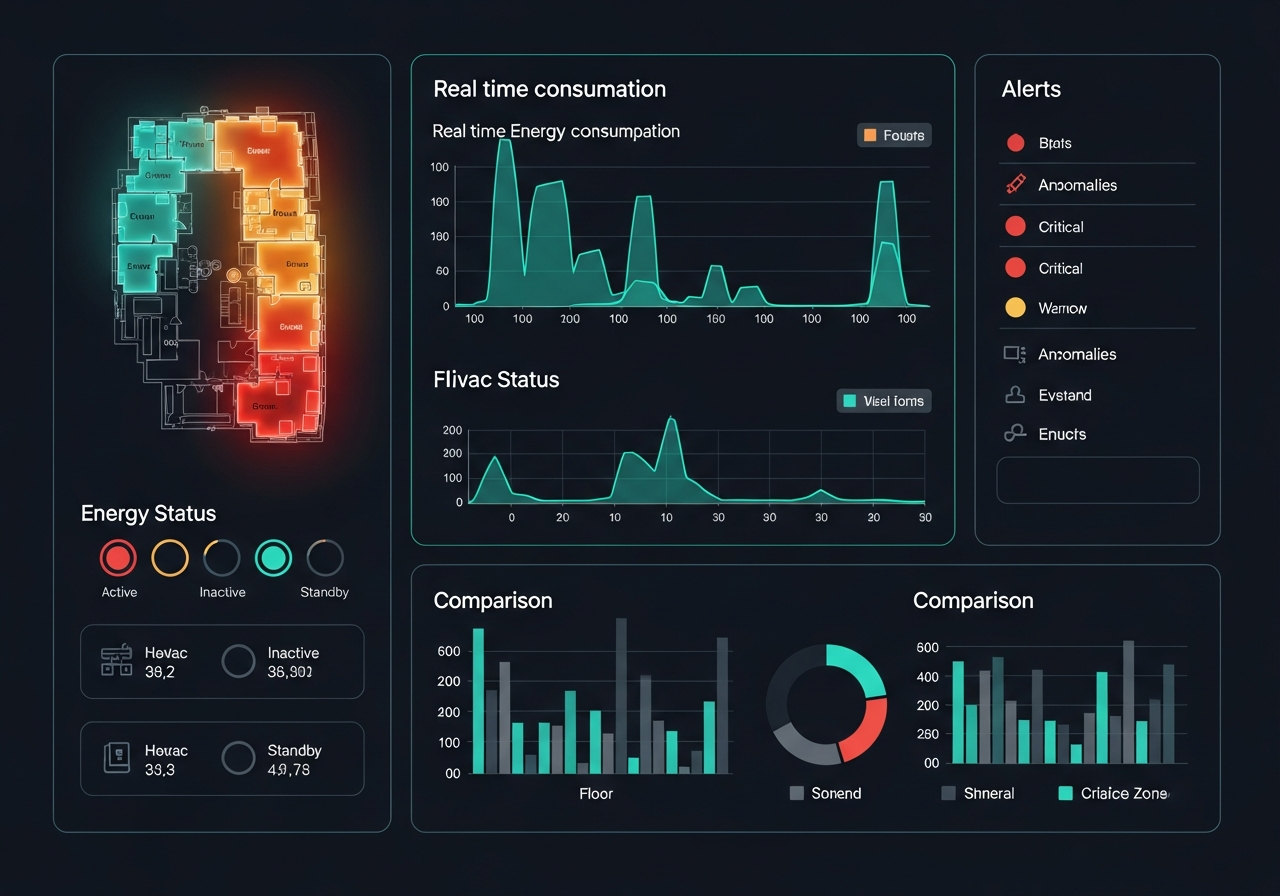
Kad enerģijas dati ir savākti, analītikas rīki palīdz identificēt neefektivitāti un optimizācijas iespējas. Modernas enerģijas pārvaldības platformas izmanto algoritmus, lai noteiktu modeļus, anomālijas un korelācijas, kuras būtu neiespējami identificēt manuāli.
Tipiskās atziņas ietver:
Organizācijas var izmantot šīs atziņas, lai noteiktu uzlabojumu prioritātes, pārbaudītu izmaiņu ietekmi un nepārtraukti optimizētu ēku darbību.
HVAC Optimization
HVAC sistēmas veido 40-60% no ēku enerģijas patēriņa.
Pašreizējo regulēšanas sistēmu paradokss
Tradicionālās HVAC regulēšanas sistēmas paradoksāli bieži izraisa augstāku enerģijas patēriņu.
- •Ieslēgšanas/izslēgšanas cikli rada temperatūras svārstības
- •Fiksēti grafiki ignorē faktiskos lietošanas modeļus
- •Nav korelācijas starp CO2 un ventilāciju
- •Sistēmas kompensē ar pārmērīgi lielu aprīkojumu
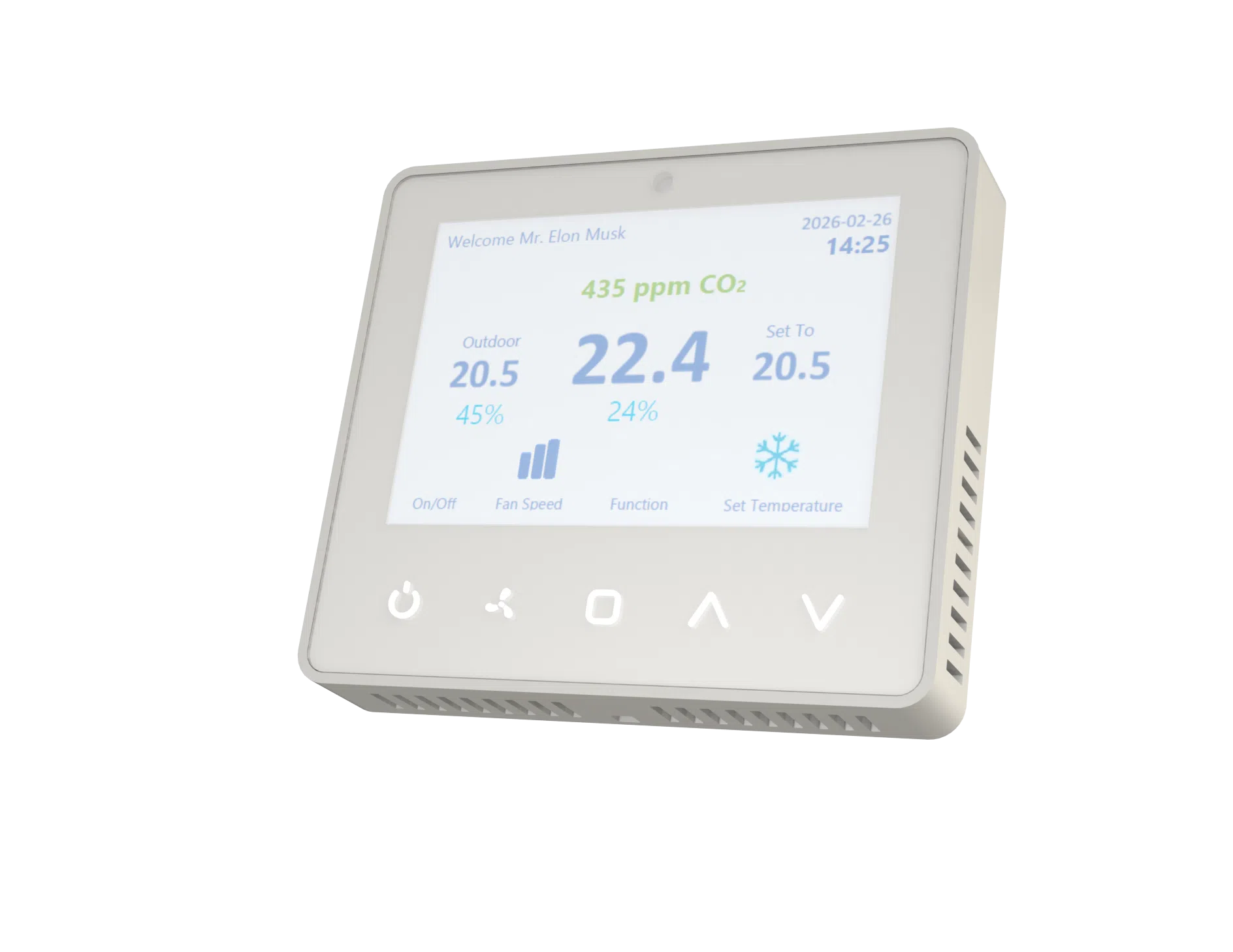
TEKTELIC Harmony
Inteliģents termostats, kas apvieno CO2 monitoringu, temperatūras/mitruma sensorus un HVAC vadību.
Korelējot CO2 līmeņus ar ventilācijas vajadzībām un faktisko noslogojumu, Harmony optimizē HVAC darbību, samazinot enerģijas patēriņu par 20-40%.
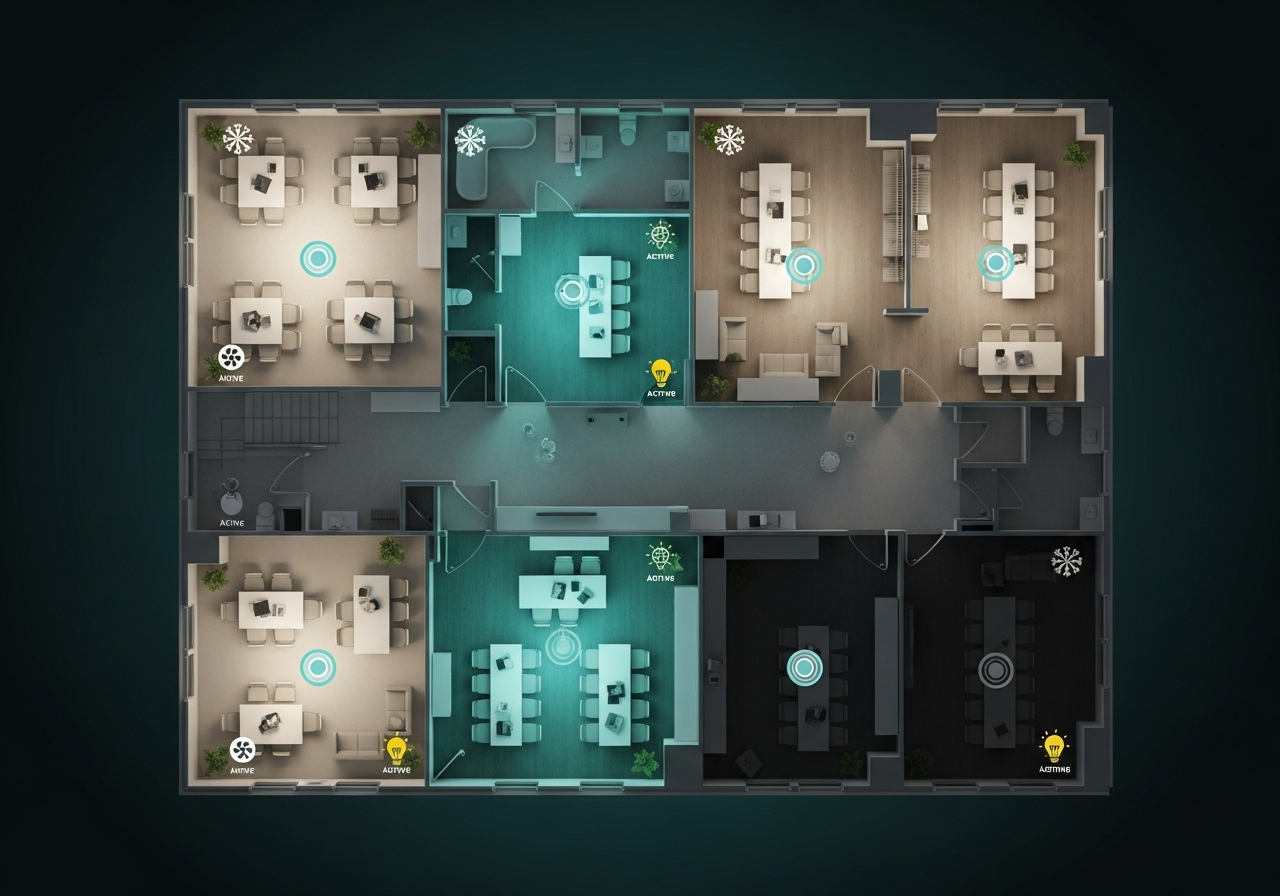
Uz noslogojumu balstīta enerģijas pārvaldība
Ēkas bieži tiek apsildītas, dzesētas un apgaismotas pat tad, kad telpas ir pilnīgi tukšas. Konferenču zāles, kas sagatavotas sanāksmēm, kas nenotiek, biroji, kas kondicionēti nedēļas nogalēs, veseli stāvi, kas apgaismoti nakti—tas ir būtisks enerģijas izšķērdējums.
Noslogojuma sensori ļauj ēkām pielāgot enerģijas patēriņu faktiskajiem izmantošanas modeļiem. Kad telpas nav noslogotas, apgaismojums var aptumšoties vai izslēgties, HVAC var samazināt jaudu, un aprīkojums var pāriet gaidīšanas režīmā. Kad cilvēki ierodas, sistēmas automātiski reaģē.
Augstas ietekmes lietojumi:
Sensori energoefektīvām ēkām
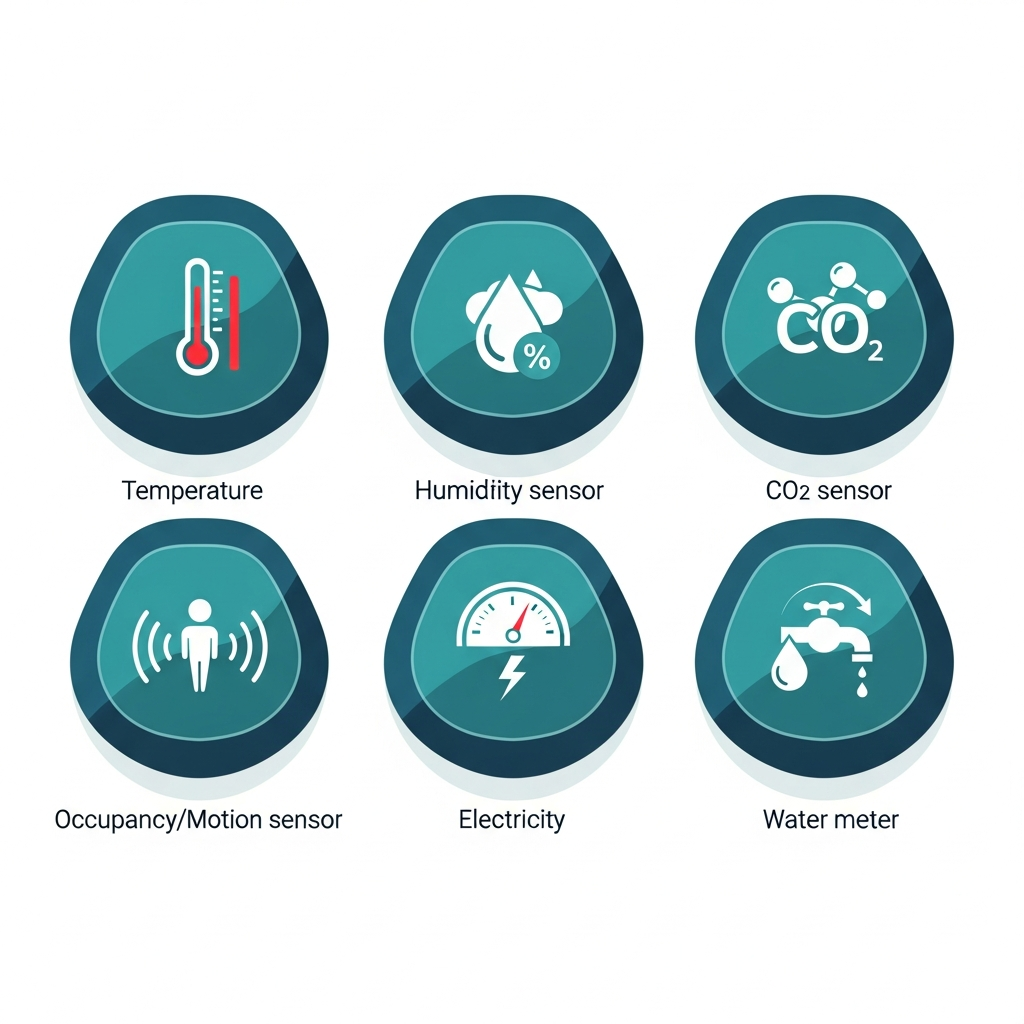
Enerģijas optimizācija balstās uz vairāku veidu sensoriem, kas strādā kopā, lai radītu pilnīgu priekšstatu par ēkas apstākļiem. Katrs sensors nodrošina specifiskus datus, kas veicina kopējo enerģijas intelektu.
Temperatūras sensori
Uzrauga termiskos apstākļus zonās, lai optimizētu apkuri un dzesēšanu. Identificē karstos un aukstos punktus, kas norāda uz HVAC nelīdzsvarotību.
Mitruma sensori
Seko mitruma līmeņiem, kas ietekmē komfortu un sistēmas veiktspēju. Optimizē gaisa žāvēšanu un novērš pelējuma apstākļus.
CO2 sensori
Mēra gaisa kvalitāti un ventilācijas pietiekamību. Iespējo pieprasījuma vadītu ventilāciju, kas līdzsvaro gaisa kvalitāti un enerģiju.
Noslogojuma sensori
Nosaka telpu izmantošanu reāllaikā. Iespējo automātisku apgaismojuma, HVAC un aprīkojuma pielāgošanu atkarībā no klātbūtnes.
Enerģijas skaitītāji
Mēra elektrības patēriņu ēkas, stāva vai ķēdes līmenī. Identificē augsta patēriņa aprīkojumu un lietošanas modeļus.
Ūdens skaitītāji
Seko ūdens patēriņam un nosaka noplūdes. Identificē neparastu lietošanu, kas norāda uz santehnikas problēmām vai izšķērdēšanu.
Energoefektivitātes standarti un noteikumi
Daudzās valstīs tagad pieprasa uzlabotu ēku energoefektivitāti. Regulējošie ietvari kļūst stingrāki, un organizācijām arvien vairāk nepieciešamas monitoringa sistēmas, lai atbalstītu atbilstību un ilgtspējības ziņojumus.
ES Ēku energoefektivitātes direktīva (EPBD)
Pieprasa dalībvalstīm noteikt minimālās ēku energoefektivitātes prasības un ieviest energosertifikācijas sistēmas. Direktīva virza uz gandrīz nulles enerģijas ēkām.
Energoefektivitātes sertifikāti (EPC)
Ēkām jābūt novērtētām pēc energoefektivitātes, un sertifikāti nepieciešami pārdošanai vai īrei daudzās jurisdikcijās. Labāki reitingi var palielināt īpašuma vērtību un īres pievilcību.
ESG un ilgtspējības ziņojumi
Korporatīvie ilgtspējības ziņojumi arvien vairāk pieprasa detalizētus enerģijas patēriņa datus. Monitoringa sistēmas nodrošina pārbaudāmus datus, kas nepieciešami ESG atklāsmēm un ilgtspējības sertifikātiem.
Enerģijas monitorings atbalsta:
Biznesa pamatojums enerģijas monitoringam
Enerģijas monitorings nodrošina izmērāmus, pārbaudāmus ieguvumus. Organizācijas, kas ievieš visaptverošas monitoringa sistēmas, parasti redz būtisku atdevi caur samazinātām enerģijas izmaksām, uzlabotām operācijām un novērstām aprīkojuma avārijām.
Tipiskie ieguvumi
- 10-25% enerģijas izmaksu samazinājums
- Pagarināts aprīkojuma kalpošanas laiks
- Samazinātas uzturēšanas izmaksas
- Uzlabots iemītnieku komforts
- Labāka operacionālā redzamība
- Dati stratēģiskiem lēmumiem
Investīciju apsvērumi
- Zemas izmaksas bezvadu sensori
- Minimāli uzstādīšanas traucējumi
- Mērogojama ieviešanas pieeja
- Mākoņplatforma—nav IT infrastruktūras
- Izmērāma ROI 2-3 gados
- Nepārtraukti operacionāli ietaupījumi
Pat nelieli uzlabojumi ir svarīgi: 10% enerģijas patēriņa samazinājums ēkai ar €100 000 ikgadējām enerģijas izmaksām rada €10 000 ikgadējos ietaupījumos—kas uzkrājas gadu pēc gada.
Kāpēc strādāt ar 0g Baltics
0g Baltics nodrošina visaptverošus enerģijas monitoringa risinājumus, apvienojot profesionālus IoT sensorus, uzticamu savienojamības infrastruktūru un jaudīgas analītikas platformas. Mūsu mērķis ir palīdzēt organizācijām samazināt enerģijas patēriņu un uzlabot ēku veiktspēju.
IoT sensori ēkām
Temperatūras, mitruma, noslogojuma, enerģijas un vides monitorings
Enerģijas monitoringa sistēmas
Reāllaika patēriņa izsekošana un analītika
LoRaWAN savienojamība
Uzticama, zemas jaudas bezvadu infrastruktūra
Datu platformas un analītika
Atziņas un optimizācijas ieteikumi
Viedo ēku konsultācijas
Stratēģijas un ieviešanas vadlīnijas
Uzlabojiet savas ēkas energoefektivitāti
Sazinieties ar 0g Baltics, lai izvietotu viedas enerģijas monitoringa sistēmas savām ēkām. Neatkarīgi no tā, vai pārvaldāt birojus, universitātes vai rūpnieciskos objektus, mēs varam palīdzēt jums samazināt patēriņu un optimizēt darbību.
Sazinieties ar mums
Apspriedīsim jūsu IoT projektu
Neatkarīgi no tā, vai vēlaties izvietot viedo infrastruktūru, samazināt darbības izmaksas vai izpētīt IoT risinājumus, mēs esam šeit, lai palīdzētu.
E-pasts
info@0gbaltics.comKo gaidīt
- •Atbilde 24 darba stundu laikā
- •Sākotnējā konsultācija, lai izprastu jūsu vajadzības
- •Pielāgots risinājuma piedāvājums