
Viedās pilsētas IoT infrastruktūra
Mēs palīdzam pašvaldībām izvietot IoT infrastruktūru gudrākām, efektīvākām pilsētām.

Kas ir viedās pilsētas IoT infrastruktūra?
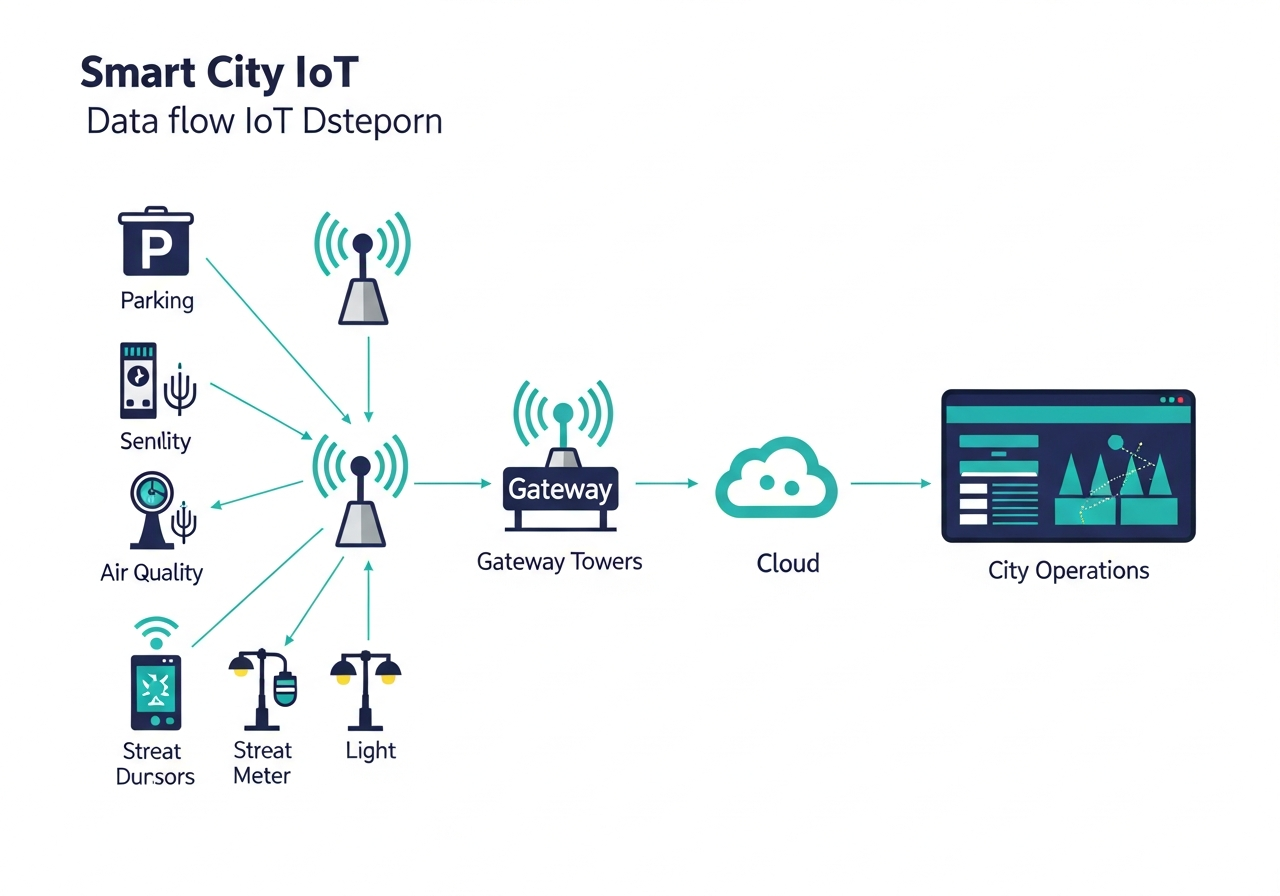
Viedās pilsētas infrastruktūra ir savienoto pilsētas pakalpojumu digitālais mugurkauls.
Savāktie pilsētas dati ietver:
Kāpēc daudzi viedās pilsētas projekti cieš neveiksmi
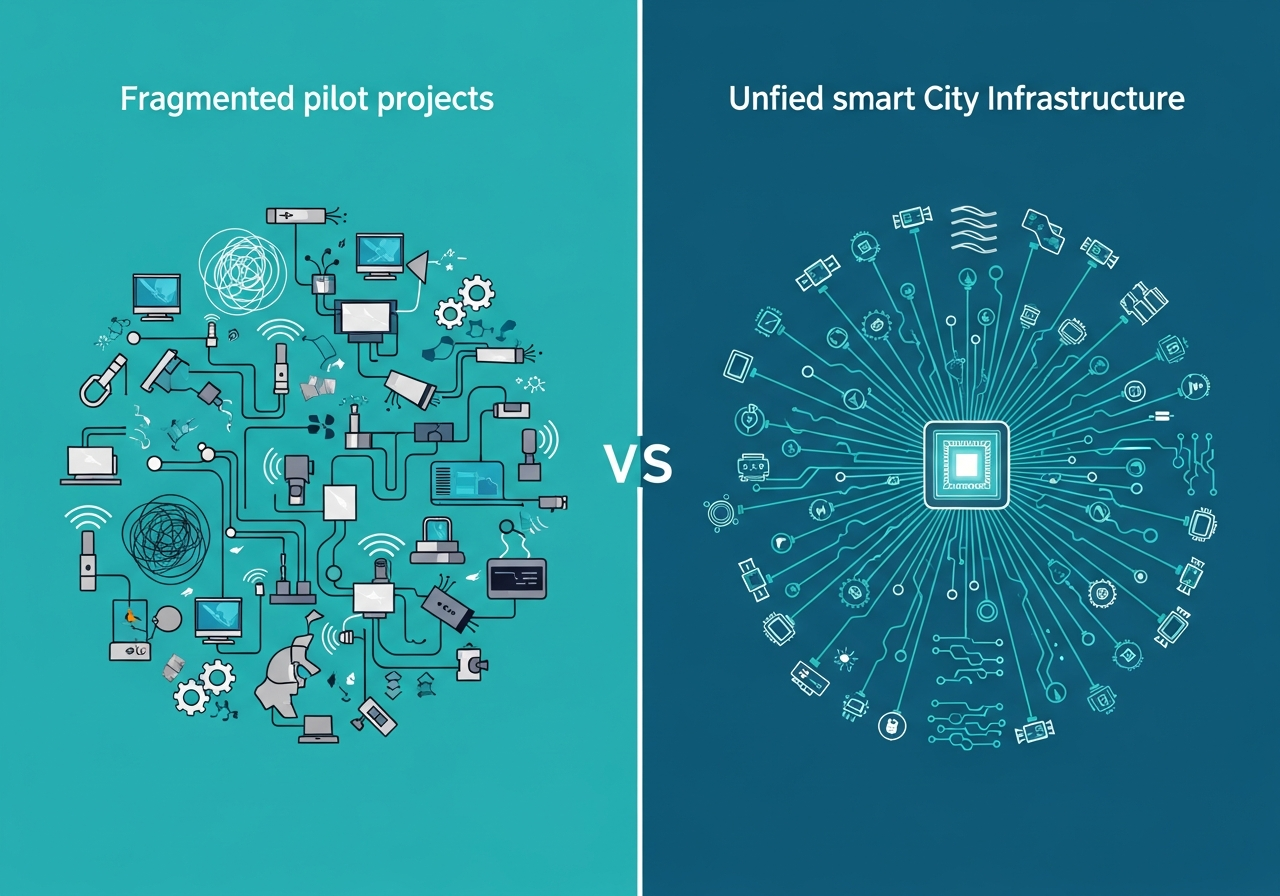
Daudzas viedās pilsētas iniciatīvas sākas ar izolētiem pilotprojektiem bez ilgtermiņa infrastruktūras stratēģijas.
Biežākās problēmas:
Risinājums: Veiksmīgas viedās pilsētas stratēģijas sākas ar kopīgu savienojamības infrastruktūru, kas spēj atbalstīt daudzus pakalpojumus—nevis izolētus pilotprojektus, kas nevar augt.
Viedo pilsētu pamats: Uzticama IoT savienojamība
Viedām pilsētām nepieciešami tīkli, kas spēj atbalstīt tūkstošiem ierīču, kas izvietotas plašās pilsētu teritorijās. Dažādas tehnoloģijas kalpo dažādiem lietojumiem, un veiksmīgākie izvietojumi apvieno vairākas savienojamības iespējas.
LoRaWAN
Liels diapazons, zems enerģijas patēriņš visas pilsētas pārklājumam
NB-IoT
Šūnu bāzēts dziļai iekļūšanai
LTE-M
Mobiliem aktīviem un augstākai joslas platībai
BLE tīkli
Iekštelpu un tuvuma lietojumiem
Satelīts
Attālinātai un rezerves savienojamībai
0g Baltics projektē daudzveidu savienojamības arhitektūras, nodrošinot, ka katra ierīce izmanto visefektīvāko sakaru tehnoloģiju. Šī pieeja maksimizē uzticamību, vienlaikus samazinot darbības izmaksas.
Kāpēc pilsētām nepieciešama operatora līmeņa infrastruktūra
Pilsētas infrastruktūrai jādarbojas nepārtraukti daudzus gadus—bieži vien gadu desmitus. Tāpēc viedās pilsētas savienojamībai jābūt projektētai kā operatora līmeņa infrastruktūrai, nevis patērētāju līmeņa risinājumiem, kas neatbilst pašvaldību uzticamības prasībām.
Šie principi nāk no telekomunikāciju nozares un nodrošina, ka pilsētas pakalpojumi paliek funkcionāli laika gaitā neatkarīgi no laika apstākļiem, tīkla slodzes vai sistēmu izmaiņām.
Operatora līmeņa tīkli nodrošina:
Augsta pieejamība
99.9%+ darbspējas mērķi
Droši sakari
Šifrēta datu pārraide
Mērogojama arhitektūra
Aug līdzi pilsētas vajadzībām
Profesionāla uzraudzība
24/7 tīkla darbības
Ilgtermiņa uzticamība
10+ gadu infrastruktūra
Redundance
Pārslēgšanās iespējas
Infrastruktūras slāņi
Pilsētas pakalpojumi
Stāvvietas, apgaismojums, vide
Pilsētas platforma
Datu pārvaldība un analītika
Tīkla serveri
Ierīču un datu pārvaldība
Vārtejas
Profesionālas bāzes stacijas
Ierīces
Sensori un galapunkti
LoRaWAN tīkli pilsētu IoT
LoRaWAN ir viena no visplašāk pieņemtajām tehnoloģijām viedo pilsētu izvietojumiem visā pasaulē. Tās tehniskās īpašības padara to ideāli piemērotu tūkstošiem sensoru savienošanai pilsētu vidēs.
Liela diapazona savienojamība
Vienas vārtejas var aptvert vairākus kilometrus pilsētu vidēs, samazinot infrastruktūras investīcijas.
Izcila iekļūšana
LoRa signāli sasniedz sensorus ēku iekšienē, pazemē un sarežģītās vietās visā pilsētā.
Zems enerģijas patēriņš
Ar baterijām darbināmi sensori var darboties daudzus gadus bez apkopes vai nomaiņas.
Liela tīkla kapacitāte
Neliels skaits vārteju var savienot tūkstošiem sensoru visā pilsētā.
0g Baltics izvieto operatora līmeņa LoRaWAN infrastruktūru, izmantojot profesionālas TEKTELIC vārtejas un drošu tīkla arhitektūru, kas paredzēta pašvaldību līmeņa uzticamībai.
Diapazons lauku apvidos
Diapazons pilsētu apvidos
Sensora baterijas kalpošanas laiks
Ierīces uz vienu vārteju
Viena infrastruktūra, daudzi pilsētas pakalpojumi
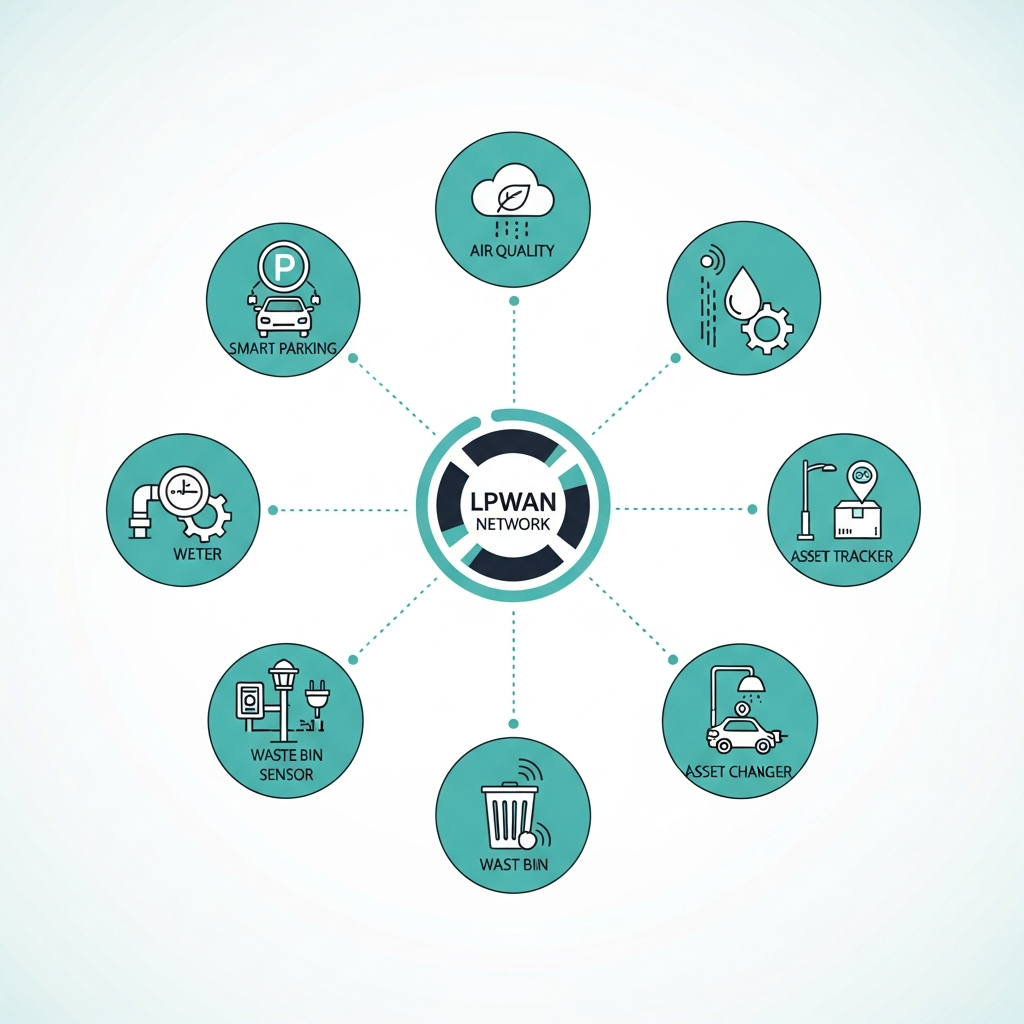
Kad pilsēta izvieto kopīgu IoT infrastruktūru, daudzi pakalpojumi var darboties vienā tīklā. Šī pieeja samazina izmaksas, vienkāršo darbības un ļauj pilsētām laika gaitā paplašināt inovācijas.
Pakalpojumi, kas var dalīt infrastruktūru:
Jauni pakalpojumi un ekonomiskā attīstība, ko nodrošina LPWAN tīkli
Pilsētas mēroga LPWAN tīkls nav tikai tehniska infrastruktūra. Tas kļūst par inovāciju platformu, kas veicina ekonomisko aktivitāti un jaunus digitālos pakalpojumus. Pilsētas, kas izvieto kopīgu IoT infrastruktūru, bieži redz jaunu uzņēmumu un pakalpojumu rašanos.
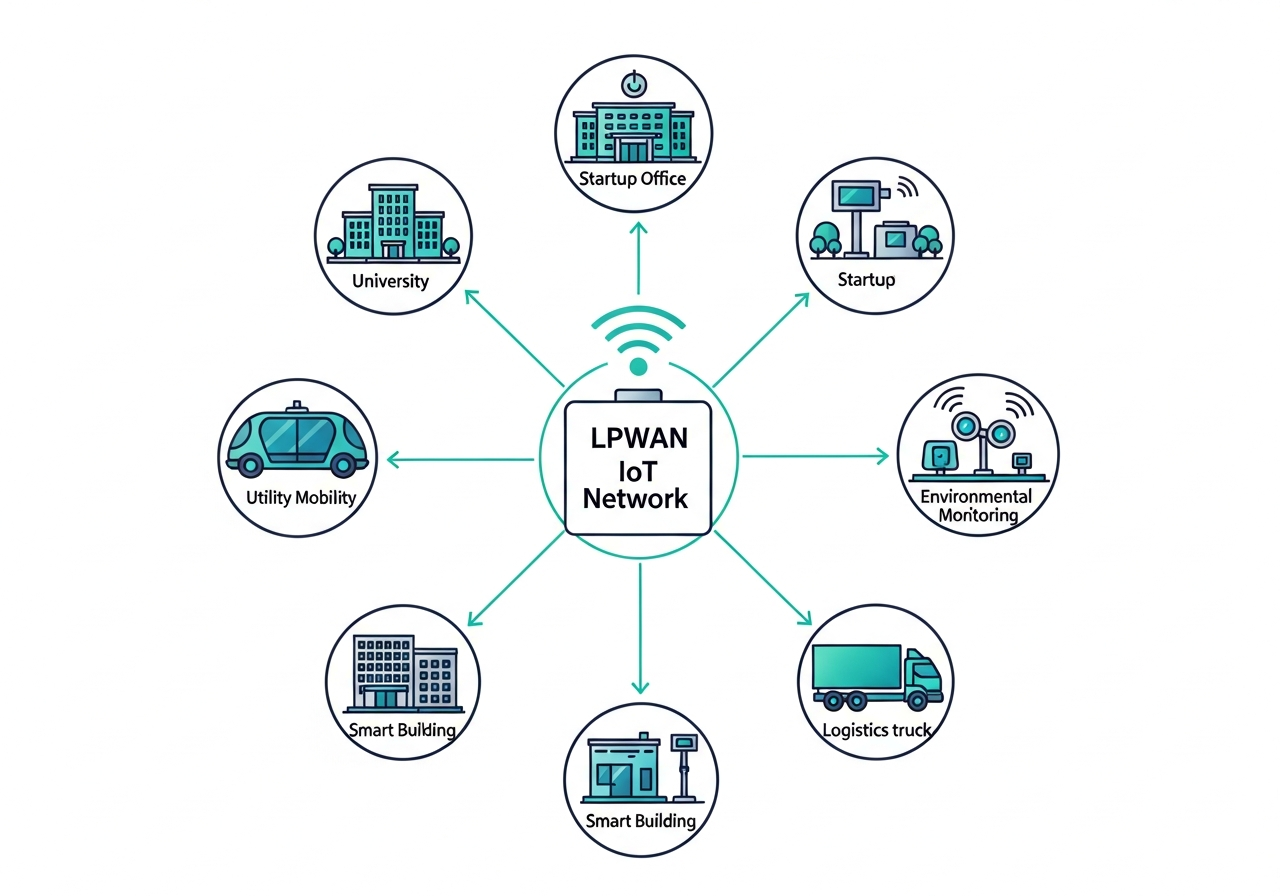
Organizācijas, kas var izmantot pilsētas IoT infrastruktūru:
Tā vietā, lai veidotu savu savienojamības infrastruktūru, šīs organizācijas var paļauties uz pilsētas kopīgo IoT tīklu. Tas ievērojami samazina barjeru inovācijām.
Domājiet par to kā par optisko platjoslu: IoT infrastruktūra kļūst par pamatu ilgtermiņa ekonomiskajai attīstībai, nodrošinot pakalpojumus, kas nevar pastāvēt bez uzticamas savienojamības.
Jauni pakalpojumi, kas var rasties pilsētas IoT infrastruktūrā:
Viedie loģistikas pakalpojumi
Pēdējās jūdzes piegādes optimizācija
Vides monitoringa jaunuzņēmumi
Pilsētas gaisa un trokšņa analītika
Aprīkojuma izsekošanas pakalpojumi
Būvniecības un rūpnieciskie aktīvi
Koplietošanas mobilitātes monitorings
Velosipēdi, skūteri, transportlīdzekļi
Enerģijas optimizācijas pakalpojumi
Ēku un tīkla pārvaldība
Viedo ēku pakalpojumu sniedzēji
Komerciālo īpašumu pakalpojumi
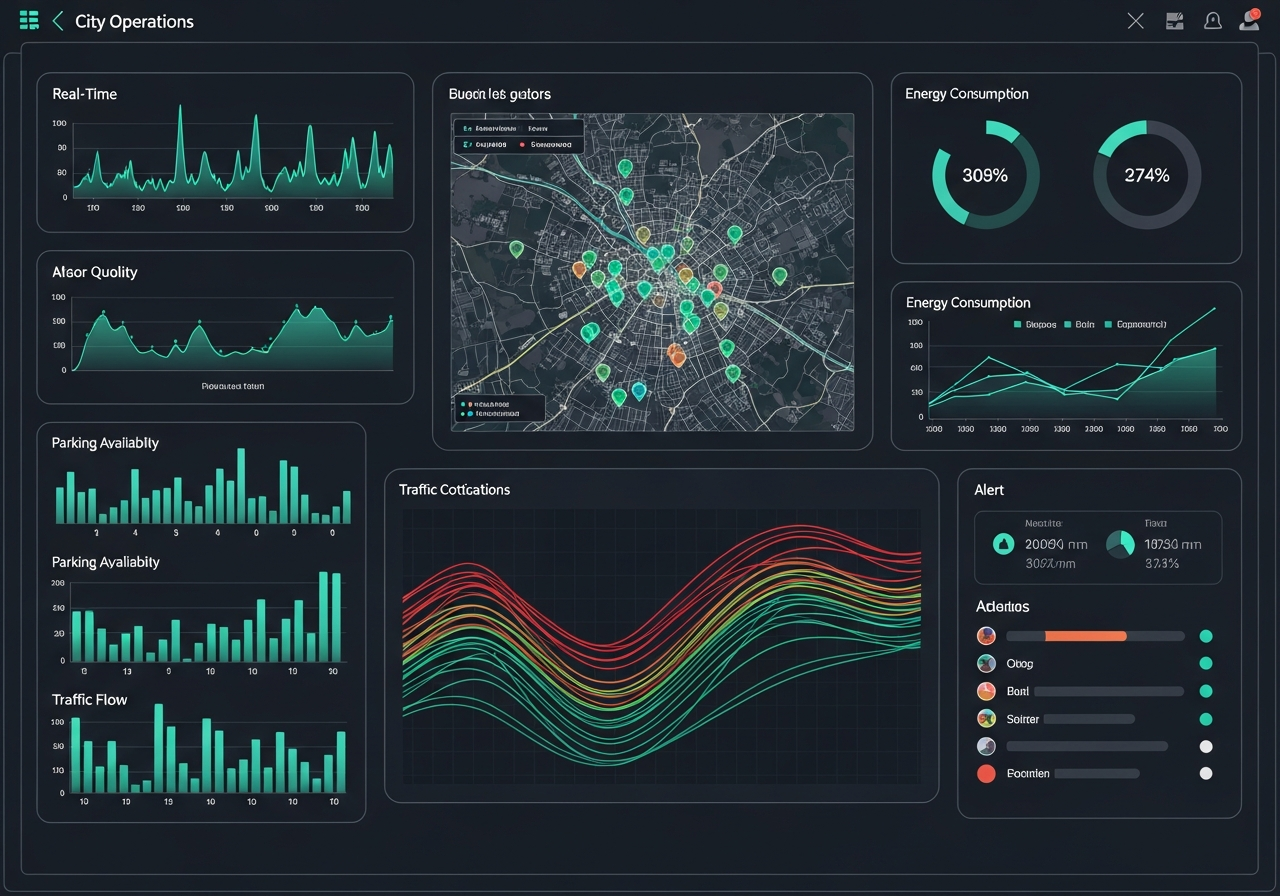
No sensoriem līdz pilsētas intelektam
Viedās pilsētas platformas apkopo datus no tūkstošiem sensoru, kas izvietoti pilsētu teritorijās. Šie dati palīdz pilsētas operatoriem izprast pilsētas sistēmas un pieņemt labākus lēmumus par infrastruktūru, pakalpojumiem un plānošanu.
Dati palīdz pilsētām izprast:
Laika gaitā pilsētas var optimizēt darbības un pieņemt labākus plānošanas lēmumus, balstoties uz objektīviem datiem, nevis pieņēmumiem.
Praktiska izvietošanas stratēģija pilsētām
Veiksmīgi viedās pilsētas izvietojumi seko pakāpeniskai pieejai, kas samazina risku, vienlaikus nodrošinot ilgtermiņa mērogojamību.
Izvietojiet uzticamu IoT savienojamības infrastruktūru
Izveidojiet operatora līmeņa tīkla pārklājumu prioritārajās zonās. Uzstādiet profesionālas vārtejas un konfigurējiet drošu tīkla arhitektūru, kas var atbalstīt tūkstošiem ierīču.
Savienojiet prioritāros pakalpojumus
Izvietojiet sākotnējos lietojuma gadījumus, piemēram, viedo autostāvvietu, gaisa kvalitātes monitoringu vai ūdens uzskaiti. Koncentrējieties uz pakalpojumiem, kas sniedz skaidru vērtību un demonstrē infrastruktūras iespējas.
Pakāpeniski paplašiniet uz jauniem pakalpojumiem
Laika gaitā pievienojiet jaunus pakalpojumus un nodaļas. Kopīgā infrastruktūra atbalsta papildu lietojuma gadījumus bez jaunu tīkla investīciju nepieciešamības.
Izmantojiet datu analītiku darbību uzlabošanai
Izmantojiet savāktos datus, lai optimizētu pilsētas pakalpojumus, informētu plānošanas lēmumus un demonstrētu vērtību iedzīvotājiem un ieinteresētajām pusēm.
Kāpēc pilsētas sadarbojas ar 0g Baltics
0g Baltics nodrošina infrastruktūras ekspertīzi, kas pilsētām nepieciešama veiksmīgu viedās pilsētas izvietojumu veidošanai. Mūsu mērķis ir palīdzēt pilsētām veidot uzticamu digitālo infrastruktūru, kas atbalsta ilgtermiņa inovācijas.
Operatora līmeņa IoT savienojamība
Tīkli, kas projektēti pašvaldību uzticamības prasībām
LoRaWAN infrastruktūras izvietošana
Profesionāla tīkla projektēšana, uzstādīšana un pārvaldība
Daudzveidu savienojamības arhitektūra
Hibrīdi tīkli, kas apvieno LoRaWAN, šūnu un citas tehnoloģijas
Viedās pilsētas konsultācijas
Stratēģiskas vadlīnijas infrastruktūras plānošanai
Integrācija ar pilsētas platformām
Savienojiet sensorus ar pilsētas pārvaldības sistēmām
Veidojiet savu viedās pilsētas infrastruktūru
Sazinieties ar 0g Baltics, lai projektētu mērogojamu viedās pilsētas savienojamību un infrastruktūru. Mēs palīdzam pašvaldībām un pilsētām veidot digitālo pamatu ilgtermiņa pilsētu inovācijām.
Sazinieties ar mums
Apspriedīsim jūsu IoT projektu
Neatkarīgi no tā, vai vēlaties izvietot viedo infrastruktūru, samazināt darbības izmaksas vai izpētīt IoT risinājumus, mēs esam šeit, lai palīdzētu.
E-pasts
info@0gbaltics.comKo gaidīt
- •Atbilde 24 darba stundu laikā
- •Sākotnējā konsultācija, lai izprastu jūsu vajadzības
- •Pielāgots risinājuma piedāvājums