
Iekštelpu gaisa kvalitātes monitoringa risinājumi
Izvietojiet profesionālas IAQ uzraudzības sistēmas, lai nodrošinātu veselīgu iekštelpu vidi skolās, birojos un veselības aprūpes iestādēs.
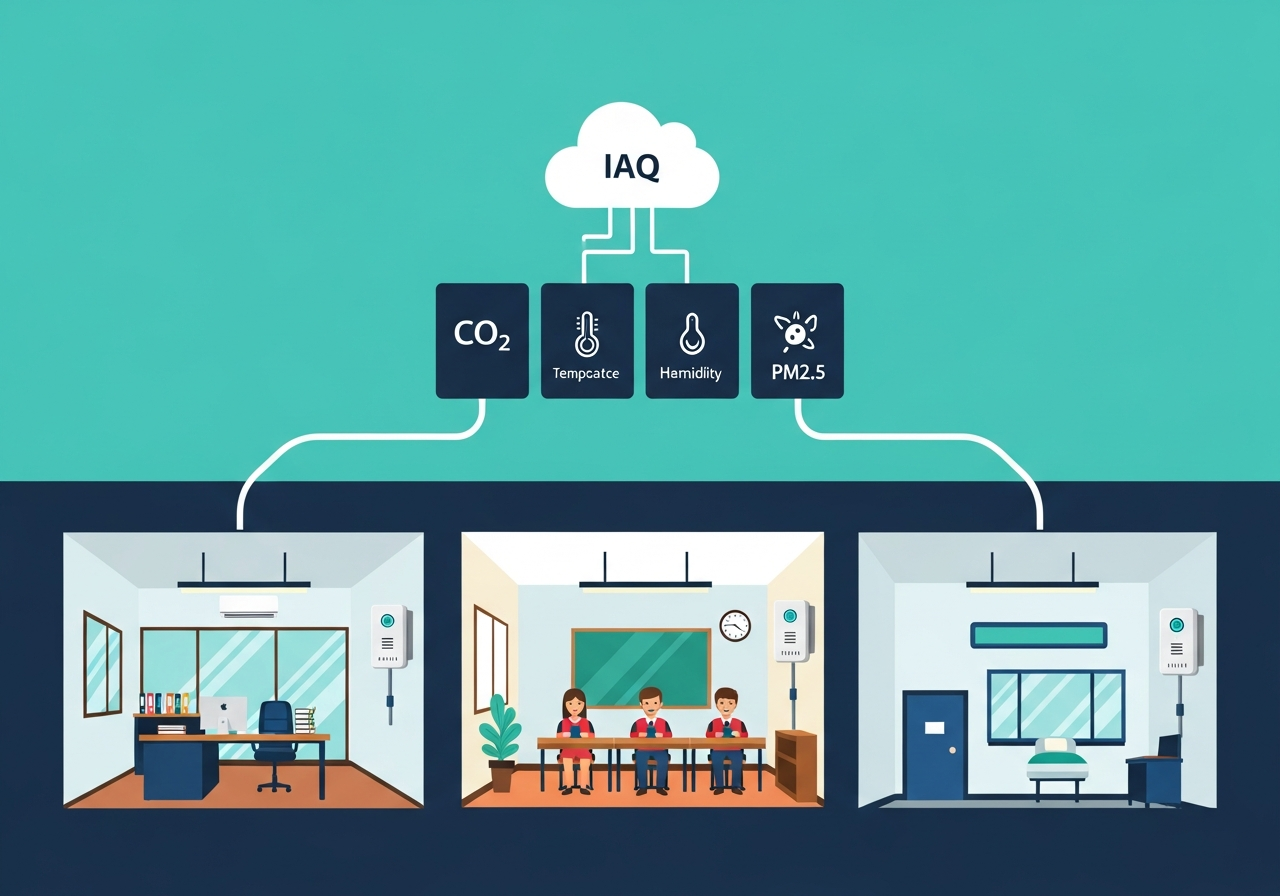
Iekštelpu gaisa kvalitātes nozīme
Cilvēki pavada 90% laika telpās. Slikta gaisa kvalitāte ietekmē veselību, produktivitāti un kognitīvo veiktspēju.
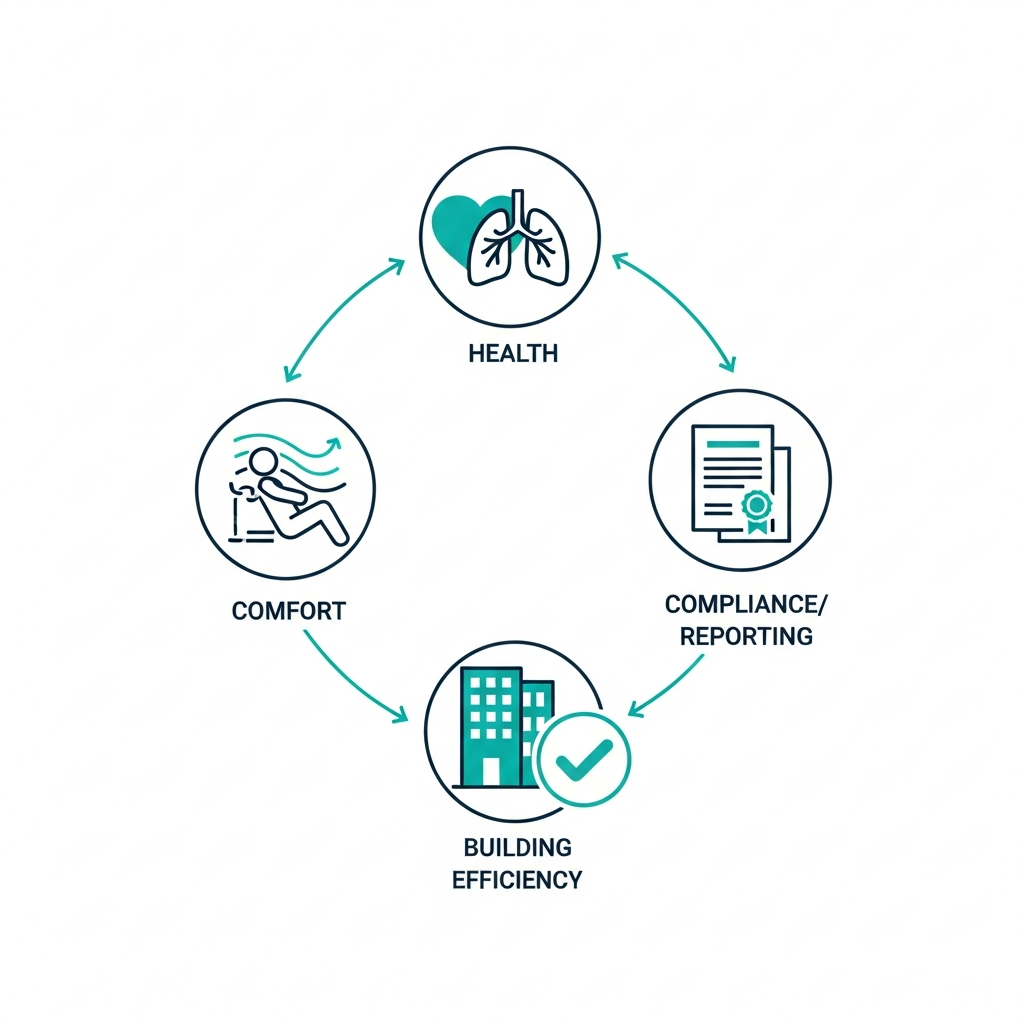
Galvenie lēmumu pieņemšanas faktori
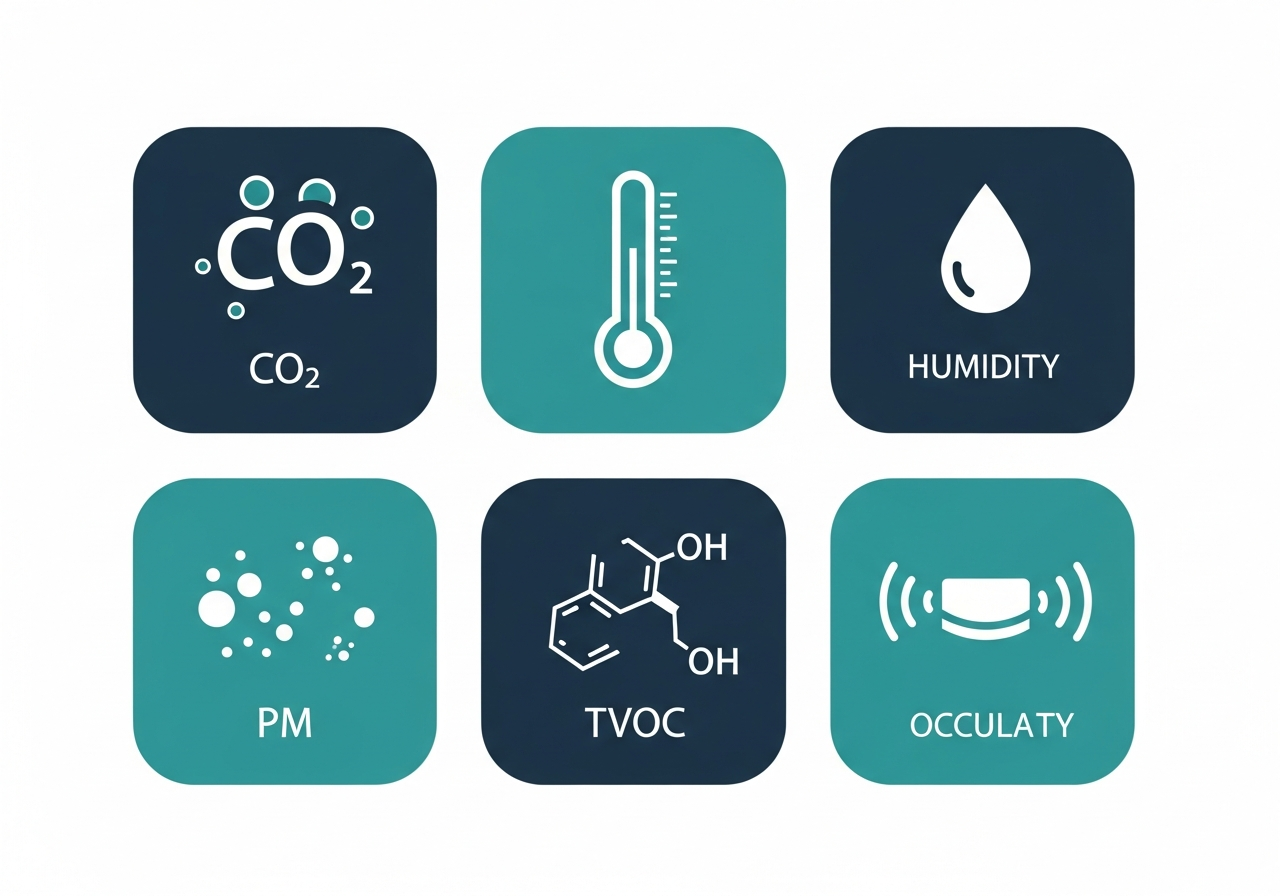
Ko mēs uzraugām
CO2 (oglekļa dioksīds)
Galvenais ventilācijas pietiekamības rādītājs
Temperatūra
Termiskais komforts iemītniekiem
Mitrums
Optimālais diapazons 40-60% veselībai
Daļiņas (PM)
PM2.5 un PM10 gaisa kvalitātes novērtējumam
TVOC
Gaistošo organisko savienojumu noteikšana
Profesionālas klases sensori
Mēs izvietojam TEKTELIC un Connected Inventions sensorus uzticamam, ilgtermiņa monitoringam.
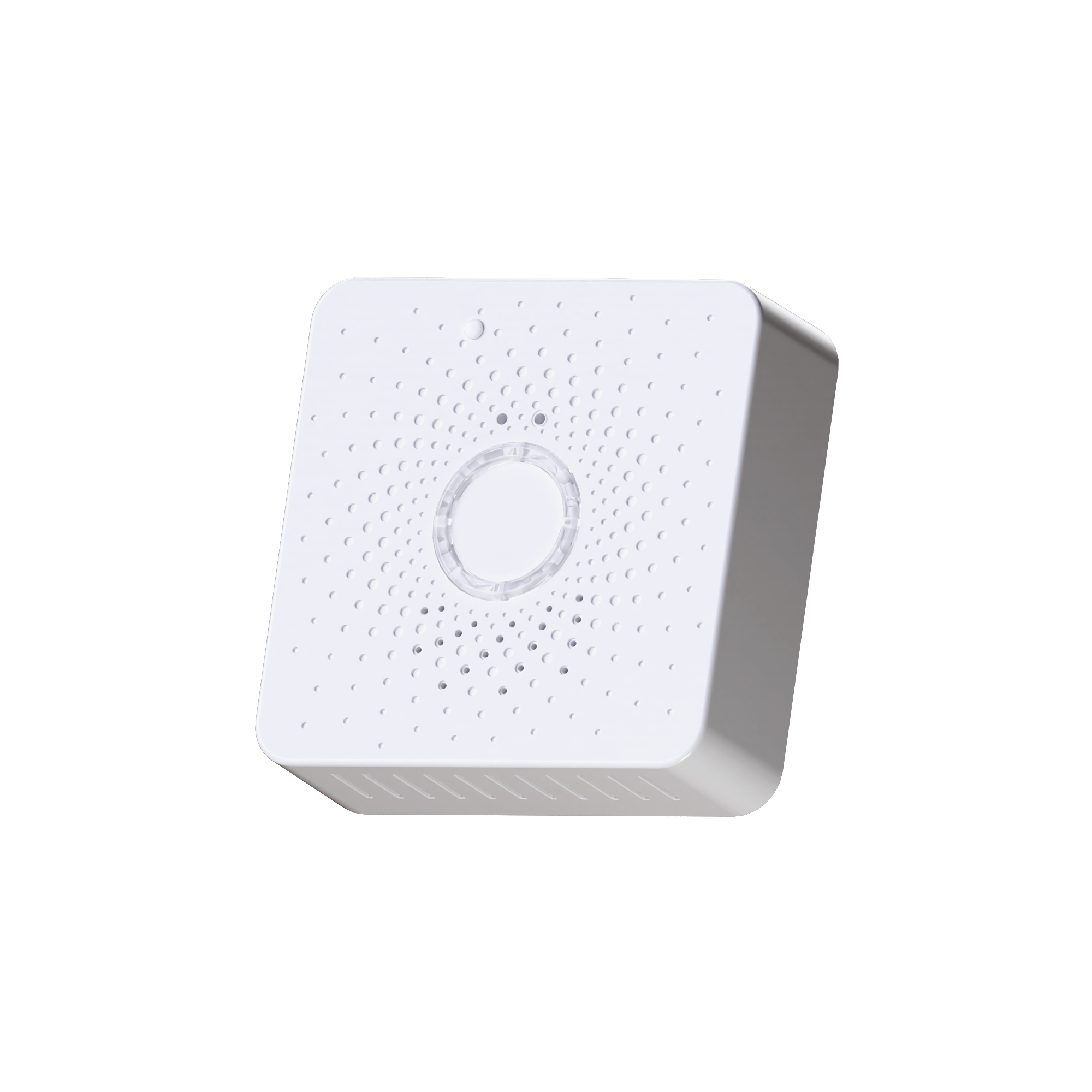
TEKTELIC BREEZE
Viedais telpas sensors CO2, temperatūras, mitruma, barometriskā spiediena un apkārtējā apgaismojuma uzraudzībai. NDIR CO2 sensors ar ±30 ppm + 3% precizitāti un 5+ gadu akumulatora darbību.
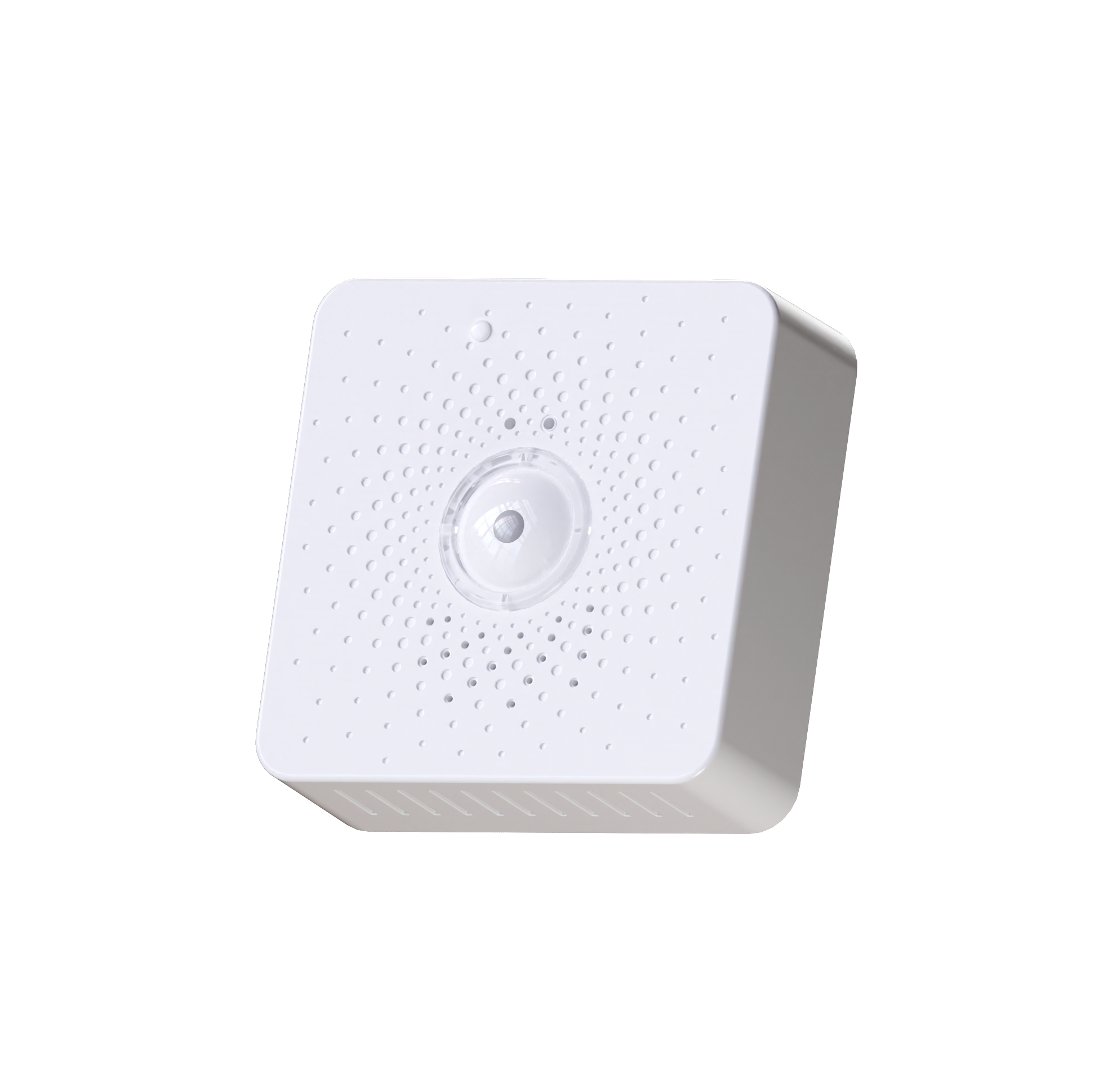
TEKTELIC BREEZE-V
Paplašina BREEZE ar PIR aizņemtības noteikšanu viedai telpas funkcionalitātei. Ideāli piemērots gaisa kvalitātes korelācijai ar telpas izmantošanu pieprasījuma vadītai ventilācijai.
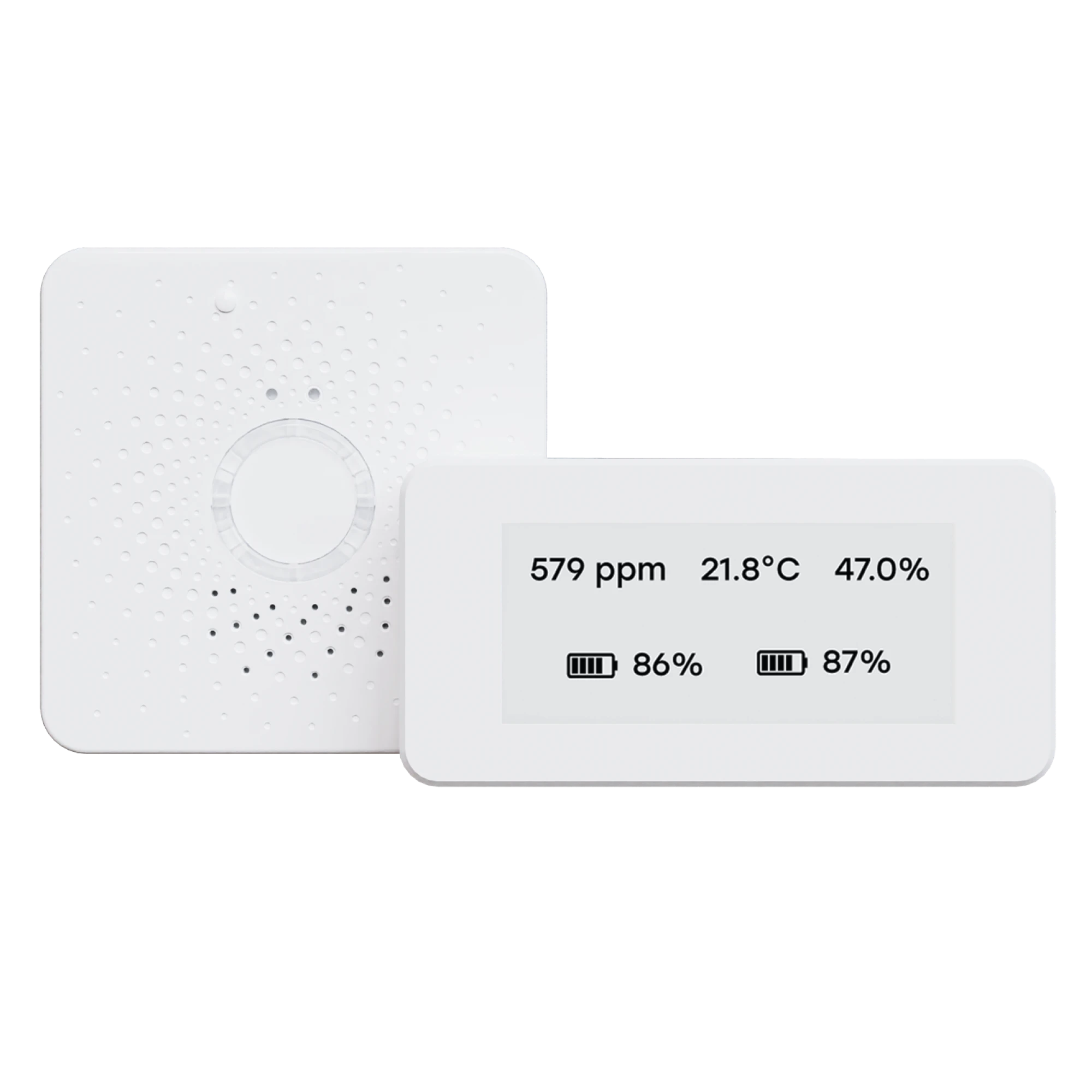
TEKTELIC BREEZE-D
CO2 viedais telpas sensors ar E-Ink displeju. Apvieno LoRaWAN, BLE un E-Ink zemam enerģijas patēriņam. Displejs ir bezvadu un var tikt uzstādīts uz sienas vai galda.
Kad izvēlēties TEKTELIC
TEKTELIC sensori ir īpaši piemēroti, kad jūsu projektam nepieciešams:
Labākā piemērotība TEKTELIC vidēm
Connected Inventions AirWits ierīces
0g Baltics izmanto arī Connected Inventions ierīces specifiskām iekštelpu vides uzraudzības vajadzībām. AirWits produktu saime piedāvā mērķtiecīgi izstrādātus sensorus, kas optimizēti ilgam akumulatora darbības laikam, zemai uzturēšanai un rentablam izvietojumam ēku portfeļos.
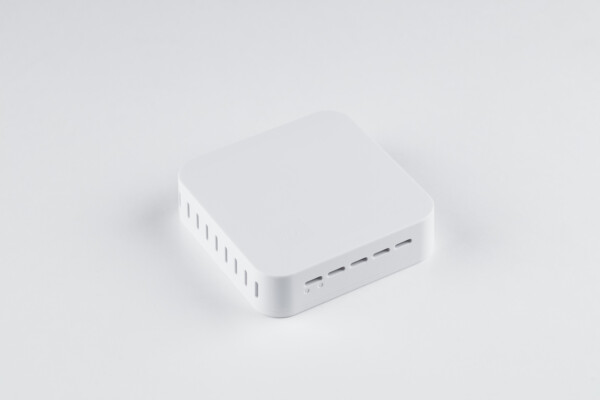
Connected AirWits
Temperatūras un mitruma uzraudzība ar ±0.2°C precizitāti un līdz 10 gadu akumulatora darbību.
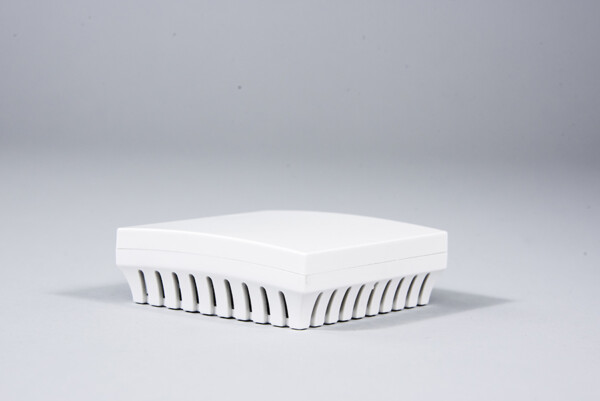
Connected AirWits CO2
CO2, temperatūras un mitruma uzraudzība ventilācijas novērtējumam un komforta optimizācijai.
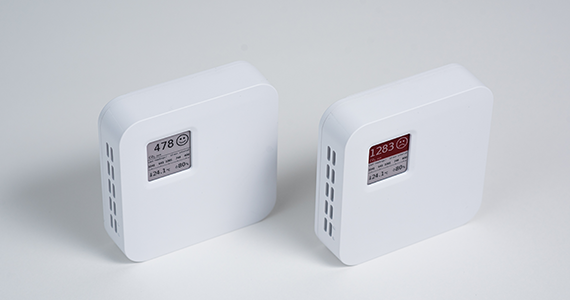
Connected CO2 Plus
Uzlabots CO2 monitorings ar e-ink displeju, kas rāda reāllaika gaisa kvalitātes statusu un krāsu kodētus indikatorus.
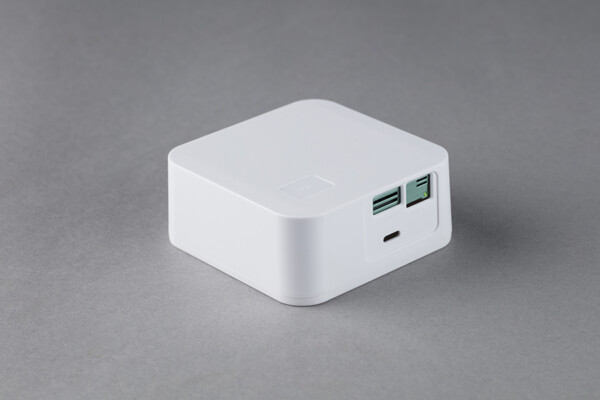
Connected AirWits PM
PM1.0 / PM2.5 / PM10 daļiņu uzraudzība ar temperatūru un mitrumu gaisa kvalitātes novērtējumam.
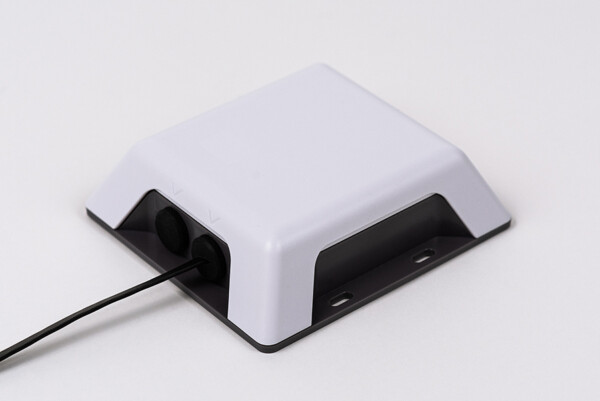
Flex Sense
Modulāra daudzjutekļu platforma elastīgam izvietojumam ar pielāgojamām sensoru kombinācijām dažādiem lietojumiem.
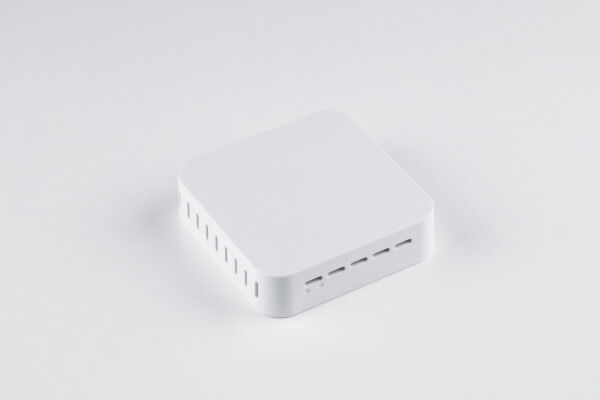
Connected AirWits IAQ
TVOC uzraudzība ar temperatūru un mitrumu piesārņojuma notikumu un sliktas gaisa kvalitātes noteikšanai.
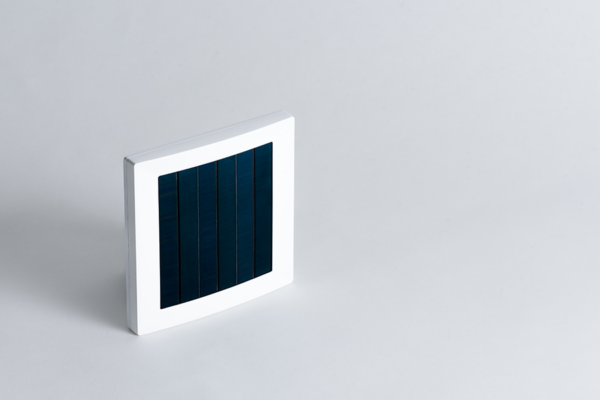
Connected AirWits EcoSense
Ar saules enerģiju darbināma, bez baterijām vai ļoti zemas uzturēšanas opcija izvietojuma scenārijiem, kas prasa minimālu iejaukšanos.
Kad izvēlēties Connected Inventions
Connected Inventions ierīces ir īpaši noderīgas, kad jūsu projekts novērtē:
Pareizās IAQ ierīces izvēle pareizajai ēkai
0g Baltics nepiedāvā vienu ierīci katram projektam. Tā vietā mēs izvēlamies pareizo arhitektūru atkarībā no budžeta, tīkla pieejamības, nepieciešamajiem parametriem, akumulatora gaidām, pārskatu vajadzībām un integrācijas prasībām.
| Ēkas tips | Projekta vajadzība | Ieteicamais sensors | Kāpēc tas der |
|---|---|---|---|
| Biroju portfelis | CO2, temperatūra, mitrums visos stāvos | TEKTELIC BREEZE / BREEZE-V | LoRaWAN mērogojamība, aizņemtības korelācija, BLE displeja opcija |
| Klase / Skola | Ventilācijas uzraudzība, studentu komforts | TEKTELIC BREEZE or AirWits CO2 | Reāllaika CO2 redzamība, ilgs akumulatora darbības laiks, vienkārša uzstādīšana |
| Universitātes kampuss | Daudzu ēku IAQ stratēģija | Jaukts: TEKTELIC + AirWits | LoRaWAN infrastruktūra + rentabla paplašināšana |
| Veselības aprūpe / Klīnikas | Jutīgas vides uzraudzība | AirWits PM + AirWits IAQ | PM un TVOC kritisks pacientu vidēm |
| Dzīvojamās koplietošanas zonas | Pamata komforts un ventilācija | AirWits / AirWits CO2 | Rentabls, zema uzturēšana, ilgs akumulators |
| Pašvaldību ēkas | Publisko telpu uzraudzība, atbilstība | TEKTELIC BREEZE | Operatora līmeņa uzticamība, audita pieraksti |
| Rūpnieciskās iekštelpas | Procesa kontrole, darbinieku komforts | AirWits PM + CO2 | Daļiņu uzraudzība rūpnieciskām vidēm |
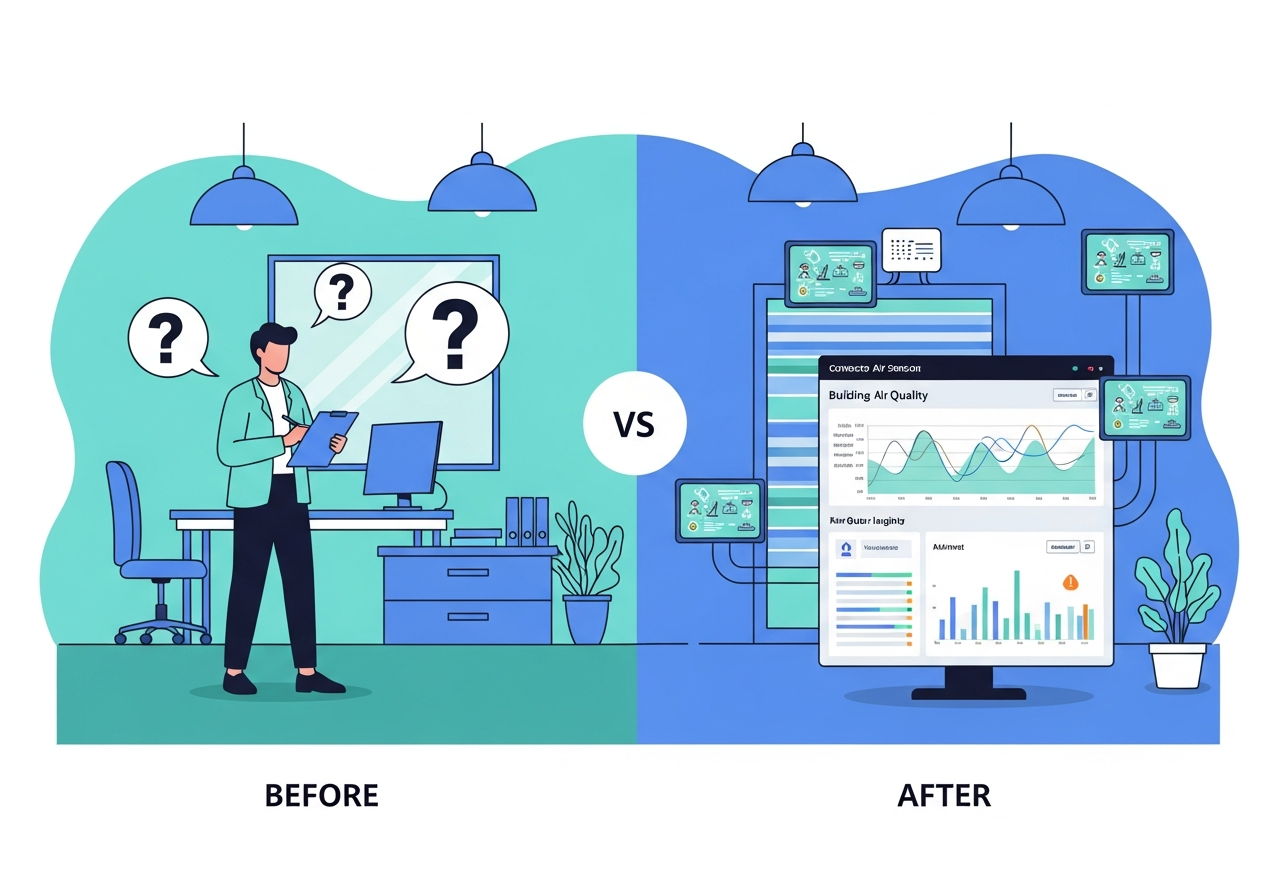
Kāpēc IoT balstīts IAQ monitorings pārspēj manuālās pārbaudes
Tradicionālais iekštelpu gaisa kvalitātes novērtējums balstās uz periodiskām manuālām pārbaudēm ar pārnēsājamām ierīcēm. Tehniķis apmeklē katru telpu, veic mērījumu, pieraksta rezultātu un turpina. Šai pieejai ir būtiski ierobežojumi, ko IoT balstīts monitorings novērš.
Savienotie sensori nodrošina nepārtrauktus datus, nevis gadījuma momentuzņēmumus. Tie ģenerē brīdinājumus, nevis gaida sūdzības. Tie veido vēsturiskās tendences analīzei un salīdzināšanai. Un tie mērogojas portfeļos bez proporcionāla darbaspēka izmaksu pieauguma.
Nepārtraukta 24/7 uzraudzība
Dati ik 15-30 minūtes, nevis reizi ceturksnī
Reāllaika brīdinājumi
Tūlītējs paziņojums, kad sliekšņi tiek pārsniegti
Vēsturiskās tendences
Analizējiet modeļus nedēļu, mēnešu un sezonu garumā
Portfeļa salīdzināšana
Salīdziniet ēkas un identificējiet izņēmumus
Labāki lēmumi
Datu vadīta uzturēšana un ventilācijas optimizācija
Mērogojamas operācijas
Uzraugiet simtiem telpu bez papildu personāla
Līdzsvarojiet veselību, komfortu un energoefektivitāti
Iekštelpu gaisa kvalitātes uzraudzība nav tikai par veselību—tā ir arī par ēkas veiktspēju un darbības efektivitāti. Ēkas veido aptuveni 40% no globālā enerģijas patēriņa, un HVAC sistēmas pārstāv ievērojamu daļu. Inteliģenta ventilācija, balstoties uz faktiskajiem iekštelpu apstākļiem, var samazināt enerģijas izšķērdēšanu, saglabājot veselīgu gaisa kvalitāti.
CO2 un aizņemtības balstīta ventilācija
CO2 un aizņemtības uzraudzība var atbalstīt gudrākus ventilācijas lēmumus. Kad telpas nav aizņemtas vai ir maz izmantotas, ventilāciju var samazināt. Kad CO2 pieaug, svaigā gaisa padevi var palielināt. Šī pieprasījuma vadītā pieeja optimizē enerģijas izmantošanu, saglabājot gaisa kvalitāti.
Temperatūras un mitruma ieskati
Temperatūras un mitruma tendences palīdz izprast ēkas komfortu un HVAC veiktspēju. Zonu ar pastāvīgām problēmām identificēšana ļauj veikt mērķtiecīgus uzlabojumus, nevis visas sistēmas pielāgojumus. Labāki dati ved pie efektīvākām operācijām.
IAQ dati atbalsta labāku iekārtu pārvaldību, nodrošinot objektīvus mērījumus, kas informē par uzturēšanas prioritātēm, renovācijas lēmumiem un sistēmu uzlabojumiem. Viedām ēkām vajadzīgi mērījumi pirms optimizācijas—jūs nevarat uzlabot to, ko nemērāt.
Note: Lai gan IAQ uzraudzība nodrošina datus, kas var informēt par enerģijas optimizācijas stratēģijām, konkrētie enerģijas ietaupījumi ir atkarīgi no daudziem faktoriem, tostarp ēkas sistēmām, klimata un darbības prakses. Mēs koncentrējamies uz precīzu mērījumu un izmantojamu ieskatu nodrošināšanu, nevis pārsolām konkrētus ROI skaitļus.
Standarti, vadlīnijas un IAQ labākā prakse
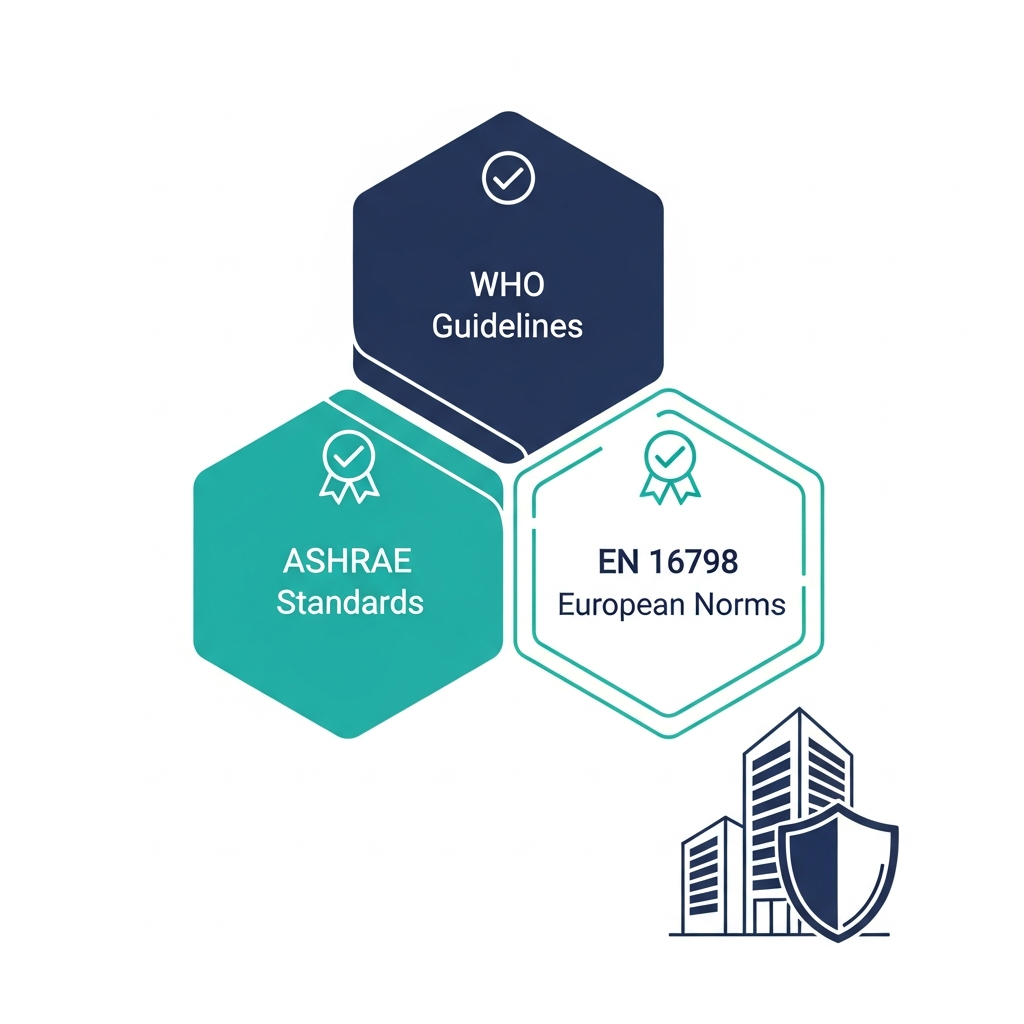
Iekštelpu gaisa kvalitātes projektus bieži virza veselības gaidas, ESG un viedo ēku politikas, skolu un darbavietu komforta mērķi un ventilācijas un riska pārvaldības vadlīnijas. Attiecīgo ietvaru izpratne palīdz definēt uzraudzības stratēģiju, ventilācijas mērķus un ēkas veiktspējas gaidas.
PVO gaisa kvalitātes vadlīnijas
Pasaules Veselības organizācija sniedz vadlīnijas par gaisa kvalitāti, tostarp daļiņu sliekšņus. Šie ieteikumi ir būtiski PM saistīto veselības ietekmes izpratnei un uzraudzības mērķu noteikšanai ēkās, kas rūpējas par iemītnieku veselību.
ASHRAE standarts 241
ASHRAE 241 risina infekciozos aerosolus un sniedz vadlīnijas veselīgākām iekštelpu vidēm. Šis standarts ir īpaši būtisks veselības aprūpes, izglītības un komerciālām ēkām, kas cenšas samazināt gaisā pārnēsātu transmisijas riskus.
EN 16798 saime
Eiropā EN 16798 standarti ir būtiski iekštelpu vides kvalitātei, ventilācijas prasībām un pārbaudes ietvariem. Tie sniedz vadlīnijas ēku projektēšanai un ekspluatācijai, lai atbilstu iekštelpu vides kvalitātes gaidām.
Important: IAQ uzraudzība atbalsta uz pierādījumiem balstītu ēku pārvaldību un var palīdzēt organizācijām dokumentēt apstākļus, identificēt problēmas un noteikt korektīvo darbību prioritātes. Lai gan sensori nodrošina datus, atbilstība konkrētiem standartiem ir atkarīga no tā, kā šie dati tiek izmantoti plašākās ēku pārvaldības un ventilācijas stratēģijās.
IAQ uzraudzība palīdz ar:
Kur iekštelpu gaisa kvalitātes uzraudzība sniedz vērtību
IAQ uzraudzība nodrošina darbības priekšrocības plašam ēku tipu lokam. Katrai videi ir specifiskas prasības, kas nosaka sensoru izvēli un izvietošanas stratēģiju.
Biroji
Uzlabojiet darbavietas komfortu un vides kvalitāti. Uzraugiet CO2 līmeņus, lai nodrošinātu atbilstošu ventilāciju, optimizējiet temperatūru produktivitātei un demonstrējiet apņemšanos par darbinieku labklājību.
Skolas un universitātes
Atbalstiet klases ventilāciju un radiet labākas mācību vides. Pētījumi rāda, ka paaugstināts CO2 līmenis klasēs korelē ar samazinātu kognitīvo veiktspēju un palielinātu kavējumu.
Veselības aprūpe un klīnikas
Uzraugiet jutīgas iekštelpu vides, kur gaisa kvalitāte tieši ietekmē pacientu iznākumus. PM un TVOC uzraudzība ir īpaši būtiska klīniskajos iestatījumos, uzgaidāmajās telpās un pacientu aprūpes zonās.
Pašvaldību ēkas
Nodrošiniet redzamību publiskajās iekštelpu vidēs, tostarp bibliotēkās, kopienas centros un valdības birojos. Atbalstiet caurskatāmību un demonstrējiet atbildīgu publisko iestāžu pārvaldību.
Komerciālais nekustamais īpašums
Salīdziniet un uzraugiet vairākas ēkas konsekventi visā portfelī. Nodrošiniet īrniekiem veselīgas ēkas akreditācijas un atbalstiet ESG ziņošanas prasības.
Rūpnieciskās iekštelpas
Uzraugiet iekštelpu apstākļus, kur komforts, procesa kontrole vai darbinieku drošība ir svarīga. Izsekojiet daļiņas ražošanas vidēs un nodrošiniet atbilstību darba veselības standartiem.
Kāpēc 0g Baltics
Mēs sniedzam praktisku IoT izvietošanas pieredzi iekštelpu gaisa kvalitātes monitoringa projektos visā Baltijas reģionā.
Baltijas tirgus fokuss
Vietējā klātbūtne un reģionālo prasību izpratne
Praktiska IoT pieredze
Reālās pasaules izvietošanas pieredze dažādos ēku tipos
Daudzējāda savienojamība
LoRaWAN, Sigfox un hibrīdarhitektūras
Bieži uzdotie jautājumi
Viss, kas jums jāzina par iekštelpu gaisa kvalitātes monitoringu
IAQ monitorings izmanto sensorus, lai nepārtraukti mērītu CO2, temperatūru, mitrumu, PM un VOC iekštelpās.
Sāciet ar CO2 un temperatūru. Pievienojiet mitrumu, PM vai VOC atbilstoši savām vajadzībām.
Parasti viens sensors katrai telpai vai zonai. Lielām telpām var būt nepieciešami vairāki sensori.
Profesionālie sensori parasti darbojas 5-10 gadus ar baterijām.
Uzlabojiet gaisa kvalitāti savās ēkās
Sazinieties ar mums
Apspriedīsim jūsu IoT projektu
Neatkarīgi no tā, vai vēlaties izvietot viedo infrastruktūru, samazināt darbības izmaksas vai izpētīt IoT risinājumus, mēs esam šeit, lai palīdzētu.
E-pasts
info@0gbaltics.comKo gaidīt
- •Atbilde 24 darba stundu laikā
- •Sākotnējā konsultācija, lai izprastu jūsu vajadzības
- •Pielāgots risinājuma piedāvājums