
Indoor Air Quality Monitoring Solutions
Deploy professional IAQ monitoring systems to ensure healthy indoor environments in schools, offices, healthcare facilities, and public buildings.
The Importance of Indoor Air Quality
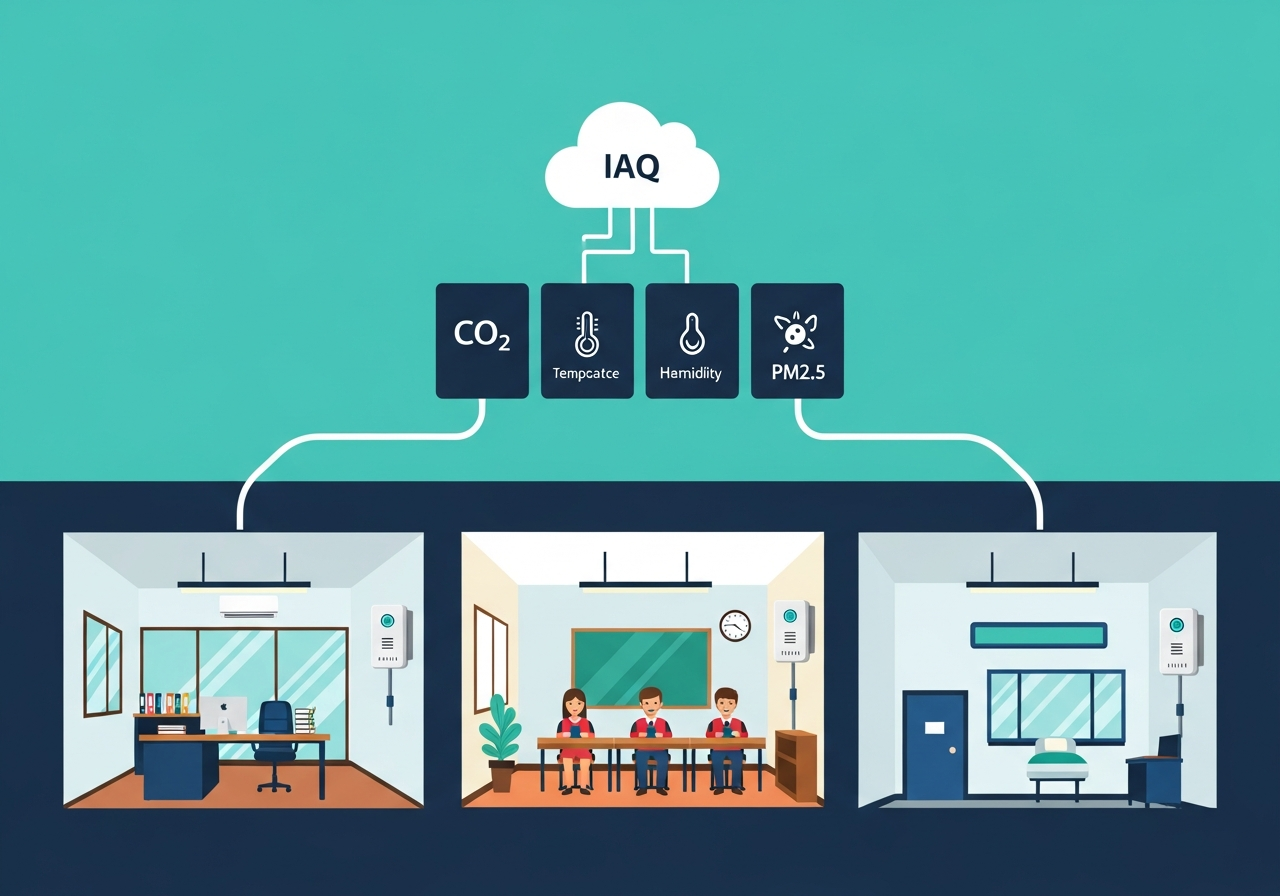
People spend 90% of their time indoors. Poor air quality affects health, productivity, and cognitive performance.
Key Decision Drivers
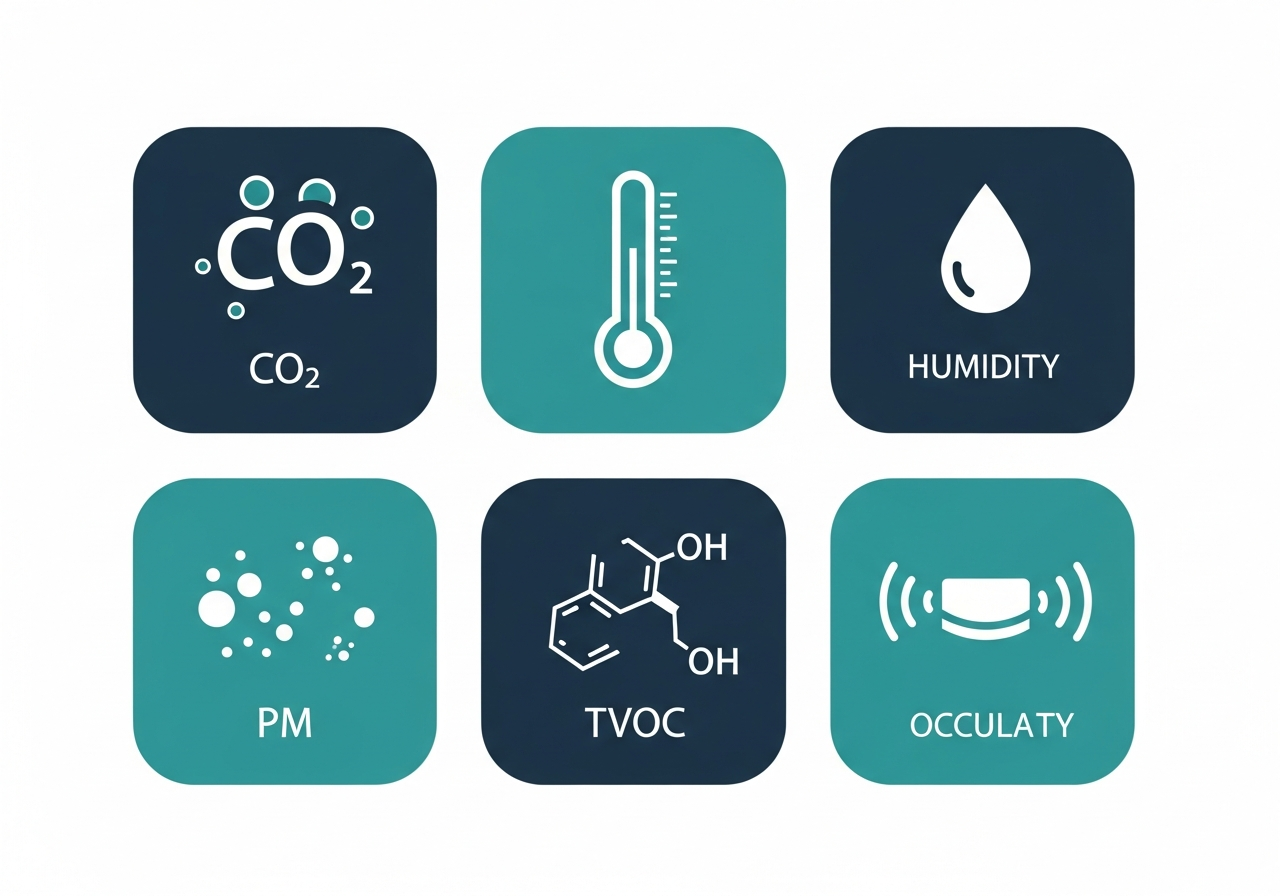
What We Monitor
CO2 (Carbon Dioxide)
Primary indicator of ventilation adequacy
Temperature
Thermal comfort for occupants
Humidity
Optimal range 40-60% for health
Particulate Matter (PM)
PM2.5 and PM10 for air quality assessment
TVOC
Volatile organic compounds detection
Professional-Grade Sensors
We deploy TEKTELIC and Connected Inventions sensors for reliable, long-term monitoring.
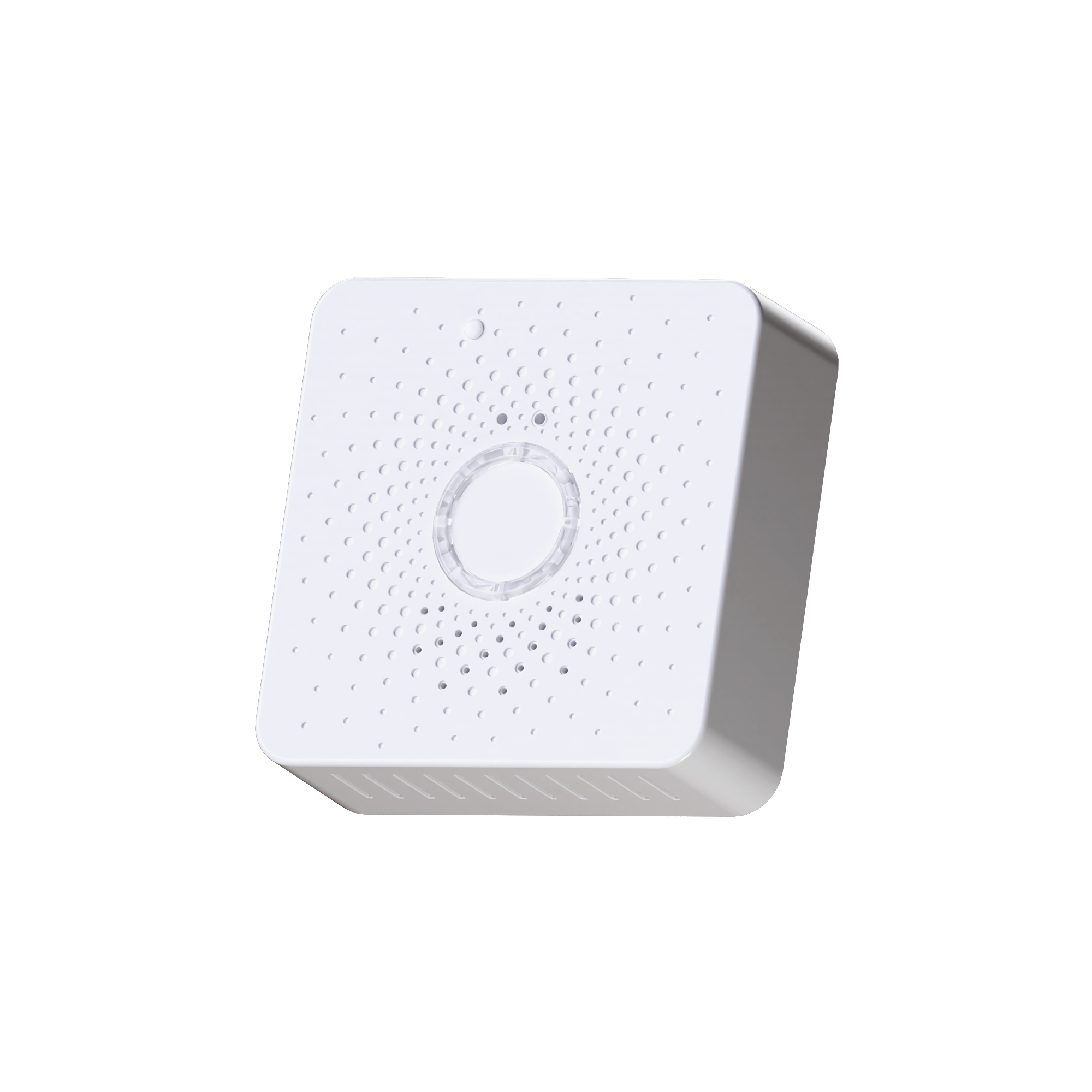
TEKTELIC BREEZE
Smart Room Sensor for monitoring CO2, temperature, humidity, barometric pressure, and ambient light. NDIR CO2 sensor with ±30 ppm + 3% accuracy and 5+ years battery life.
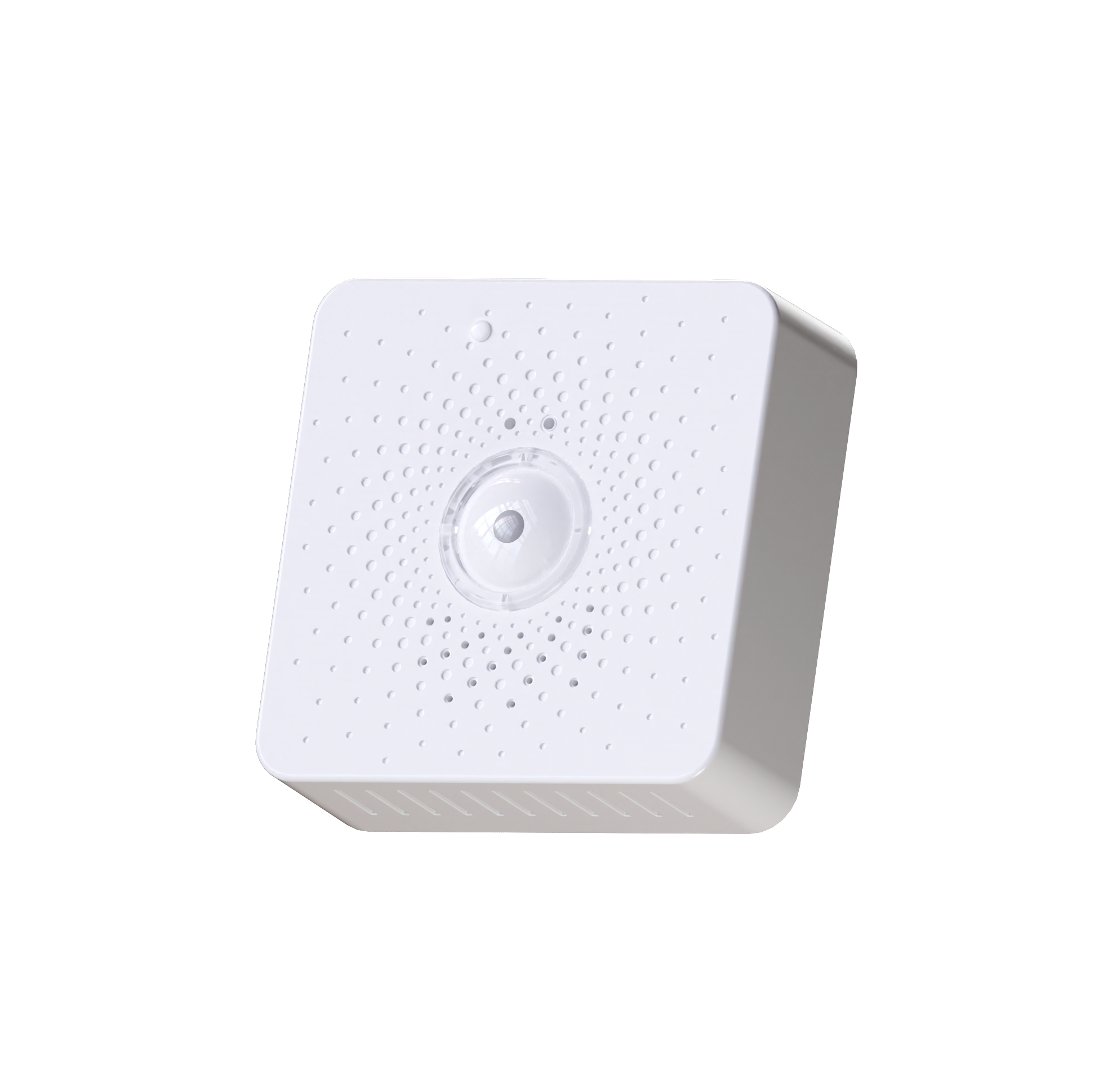
TEKTELIC BREEZE-V
Extends BREEZE with PIR occupancy detection for smart room functionality. Ideal for correlating air quality with space utilization for demand-controlled ventilation.
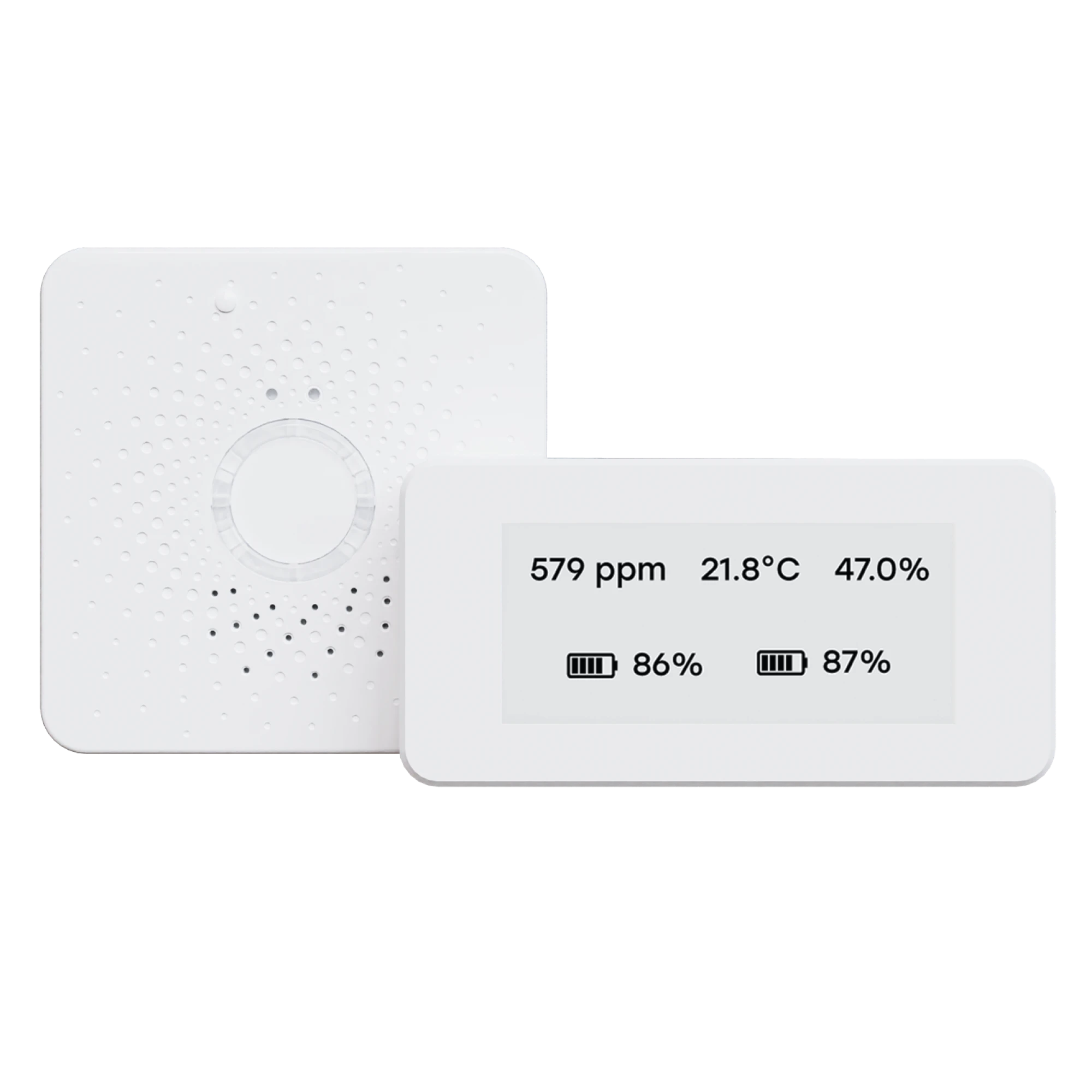
TEKTELIC BREEZE-D
CO2 Smart Room Sensor with E-Ink Display. Combines LoRaWAN, BLE and E-Ink for low power consumption. Display is wireless and can be wall or table mounted.
When to choose TEKTELIC
TEKTELIC sensors are especially relevant when your project needs:
Best fit environments for TEKTELIC
Connected Inventions AirWits Devices
0g Baltics also uses Connected Inventions devices for specific indoor environment monitoring needs. The AirWits product family offers purpose-built sensors optimized for long battery life, low maintenance, and cost-effective deployment across building portfolios.
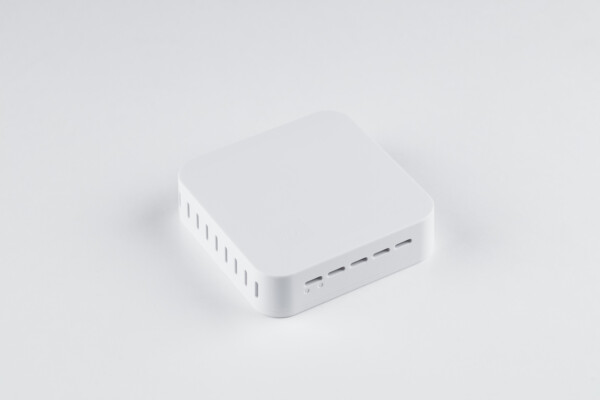
Connected AirWits
Temperature and humidity monitoring with ±0.2°C accuracy and up to 10 years battery life.
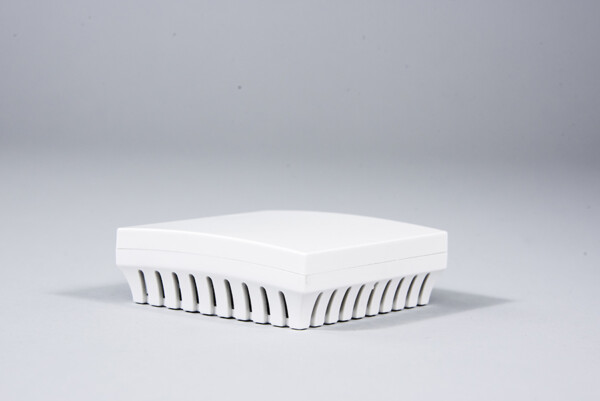
Connected AirWits CO2
CO2, temperature and humidity monitoring for ventilation assessment and comfort optimization.
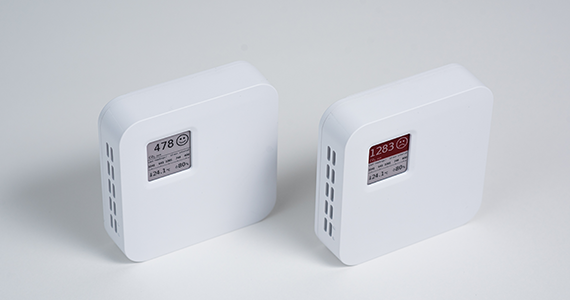
Connected CO2 Plus
Advanced CO2 monitoring with e-ink display showing real-time air quality status and color-coded indicators.
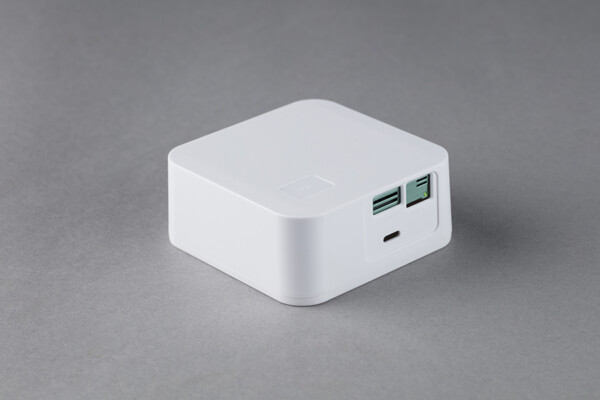
Connected AirWits PM
PM1.0 / PM2.5 / PM10 particulate monitoring with temperature and humidity for air quality assessment.
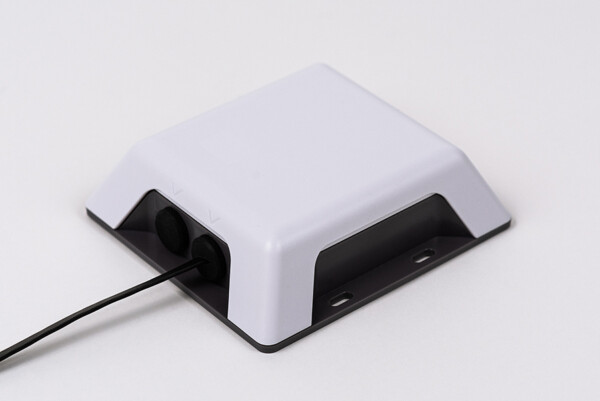
Flex Sense
Modular multi-sensor platform for flexible deployment with customizable sensor combinations for various use cases.
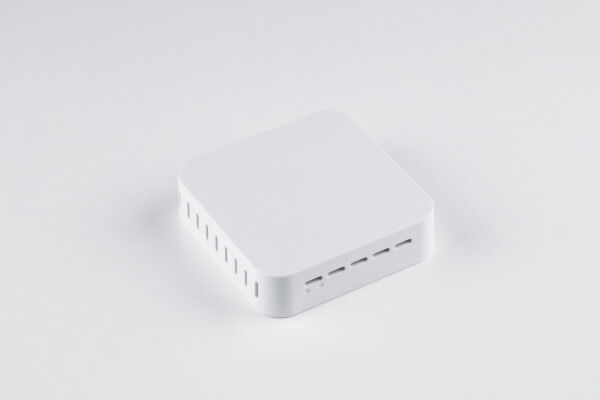
Connected AirWits IAQ
TVOC monitoring with temperature and humidity for detecting pollutant events and poor air conditions.
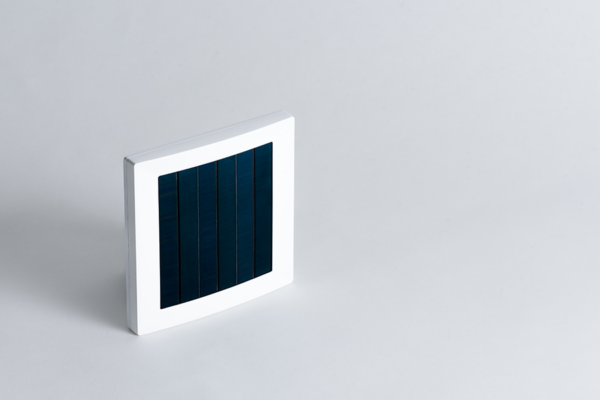
Connected AirWits EcoSense
Solar-powered, battery-free or ultra-low-maintenance option for deployment scenarios requiring minimal intervention.
When to choose Connected Inventions
Connected Inventions devices are especially useful when your project values:
Choosing the Right IAQ Device for the Right Building
0g Baltics does not push a single device for every project. Instead, we select the right architecture depending on budget, network availability, required parameters, battery expectations, reporting needs, and integration requirements.
| Building Type | Project Need | Recommended Sensor | Why It Fits |
|---|---|---|---|
| Office Portfolio | CO2, temperature, humidity across floors | TEKTELIC BREEZE / BREEZE-V | LoRaWAN scalability, occupancy correlation, BLE display option |
| Classroom / School | Ventilation monitoring, student comfort | TEKTELIC BREEZE or AirWits CO2 | Real-time CO2 visibility, long battery life, easy installation |
| University Campus | Multi-building IAQ strategy | Mixed: TEKTELIC + AirWits | LoRaWAN infrastructure + cost-effective expansion |
| Healthcare / Clinics | Sensitive environment monitoring | AirWits PM + AirWits IAQ | PM and TVOC critical for patient environments |
| Residential Common Areas | Basic comfort and ventilation | AirWits / AirWits CO2 | Cost-efficient, low maintenance, long battery |
| Municipal Buildings | Public space monitoring, compliance | TEKTELIC BREEZE | Carrier-grade reliability, audit trails |
| Industrial Indoor Spaces | Process control, worker comfort | AirWits PM + CO2 | Particulate monitoring for industrial environments |
Why IoT-Based IAQ Monitoring Beats Manual Spot Checks
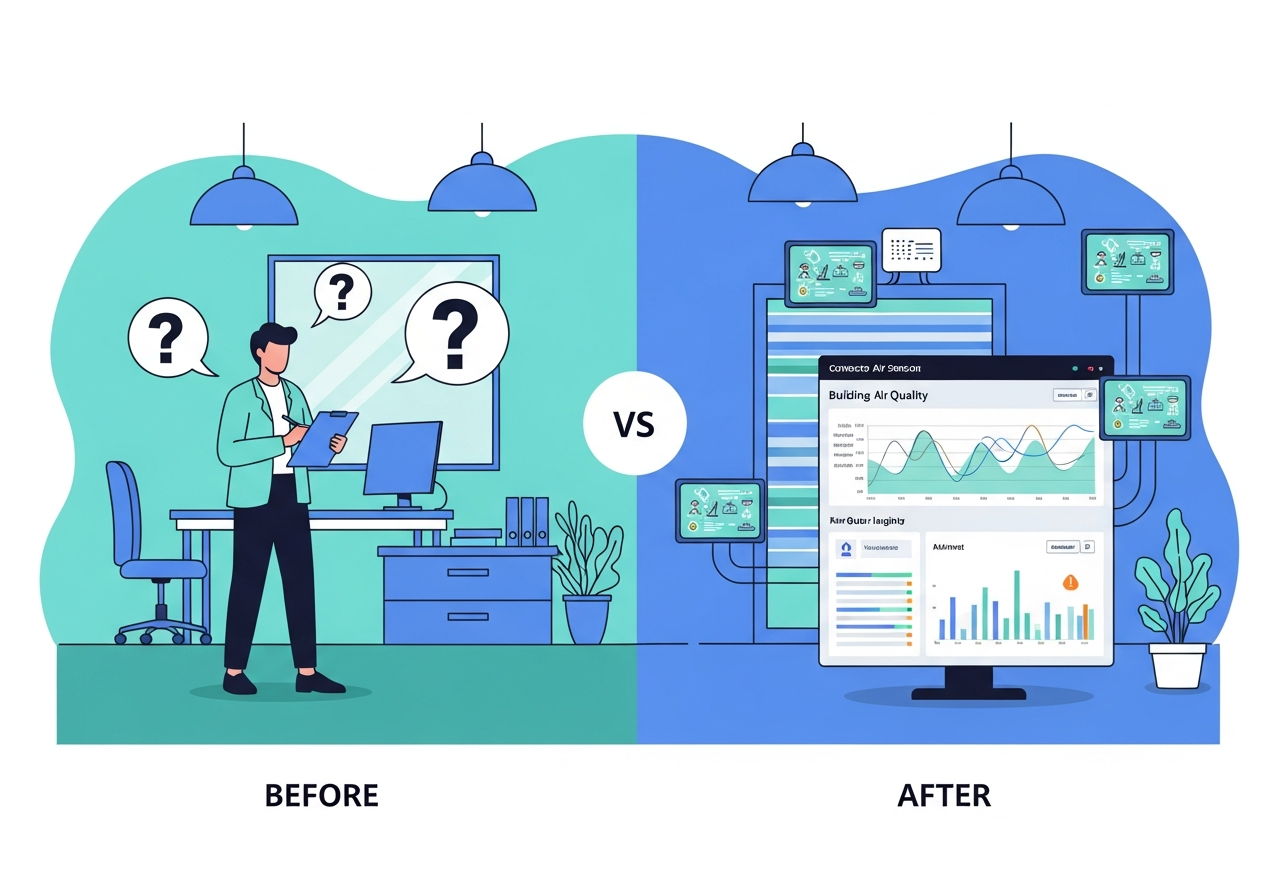
Traditional indoor air quality assessment relies on periodic manual inspections with handheld devices. A technician visits each space, takes a measurement, records the result, and moves on. This approach has fundamental limitations that IoT-based monitoring eliminates.
Connected sensors provide continuous data instead of occasional snapshots. They generate alerts instead of waiting for complaints. They create historical trends for analysis and benchmarking. And they scale across portfolios without proportionally increasing labor costs.
Continuous 24/7 Monitoring
Data every 15-30 minutes, not once per quarter
Real-Time Alerts
Instant notification when thresholds are exceeded
Historical Trends
Analyze patterns over weeks, months, and seasons
Portfolio Benchmarking
Compare buildings and identify outliers
Better Decisions
Data-driven maintenance and ventilation optimization
Scalable Operations
Monitor hundreds of spaces without additional staff
Balance Health, Comfort and Energy Efficiency
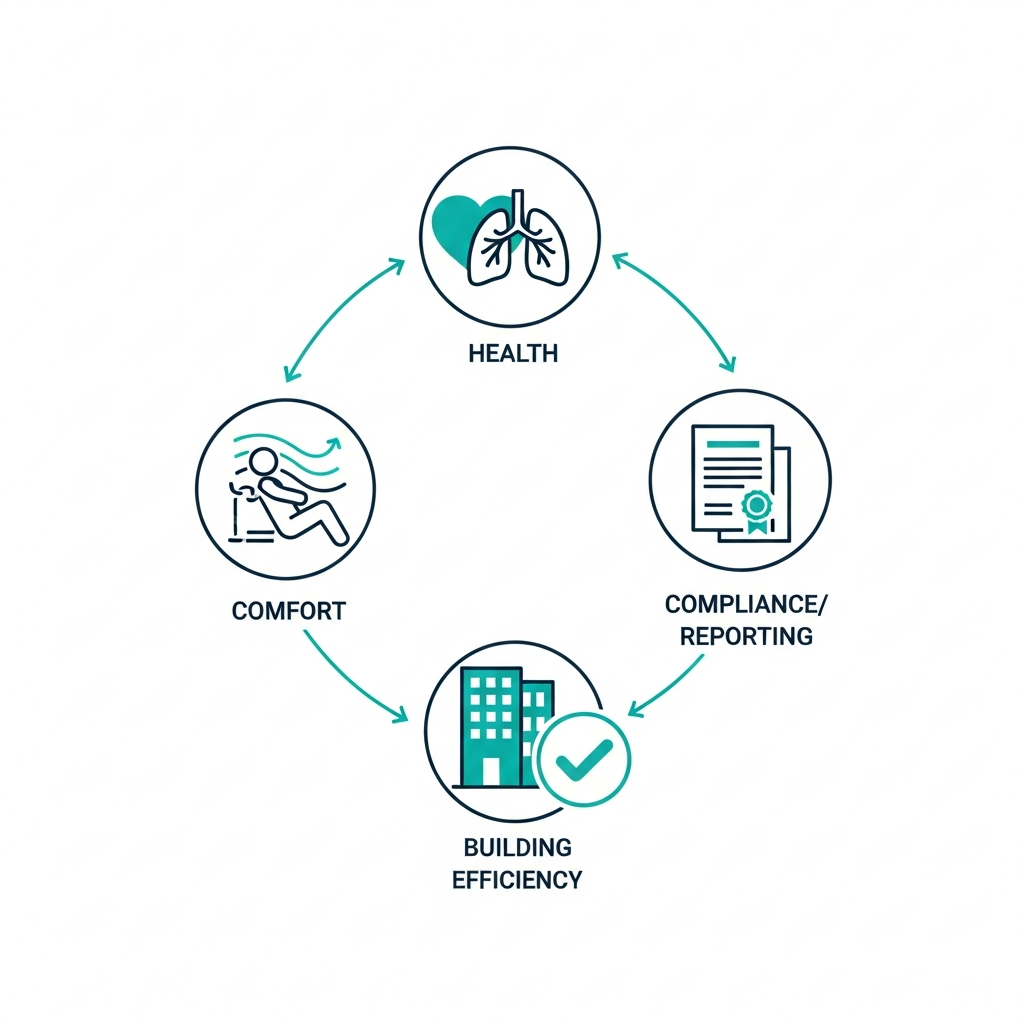
Indoor air quality monitoring is not only about health—it is also about building performance and operational efficiency. Buildings account for approximately 40% of global energy consumption, with HVAC systems representing a significant portion. Intelligent ventilation based on actual indoor conditions can reduce energy waste while maintaining healthy air quality.
CO2 and Occupancy-Based Ventilation
Monitoring CO2 and occupancy can support smarter ventilation decisions. When spaces are unoccupied or lightly used, ventilation can be reduced. When CO2 rises, fresh air supply can be increased. This demand-controlled approach optimizes energy use while maintaining air quality.
Temperature and Humidity Insights
Temperature and humidity trends help understand building comfort and HVAC performance. Identifying zones with persistent issues enables targeted improvements rather than system-wide adjustments. Better data leads to more efficient operations.
IAQ data supports better facility management by providing objective measurements that inform maintenance priorities, renovation decisions, and system upgrades. Smart buildings need measurement before optimization—you cannot improve what you do not measure.
Note: While IAQ monitoring provides data that can inform energy optimization strategies, specific energy savings depend on many factors including building systems, climate, and operational practices. We focus on providing accurate measurement and actionable insights rather than overpromising specific ROI figures.
Standards, Guidelines and IAQ Best Practice
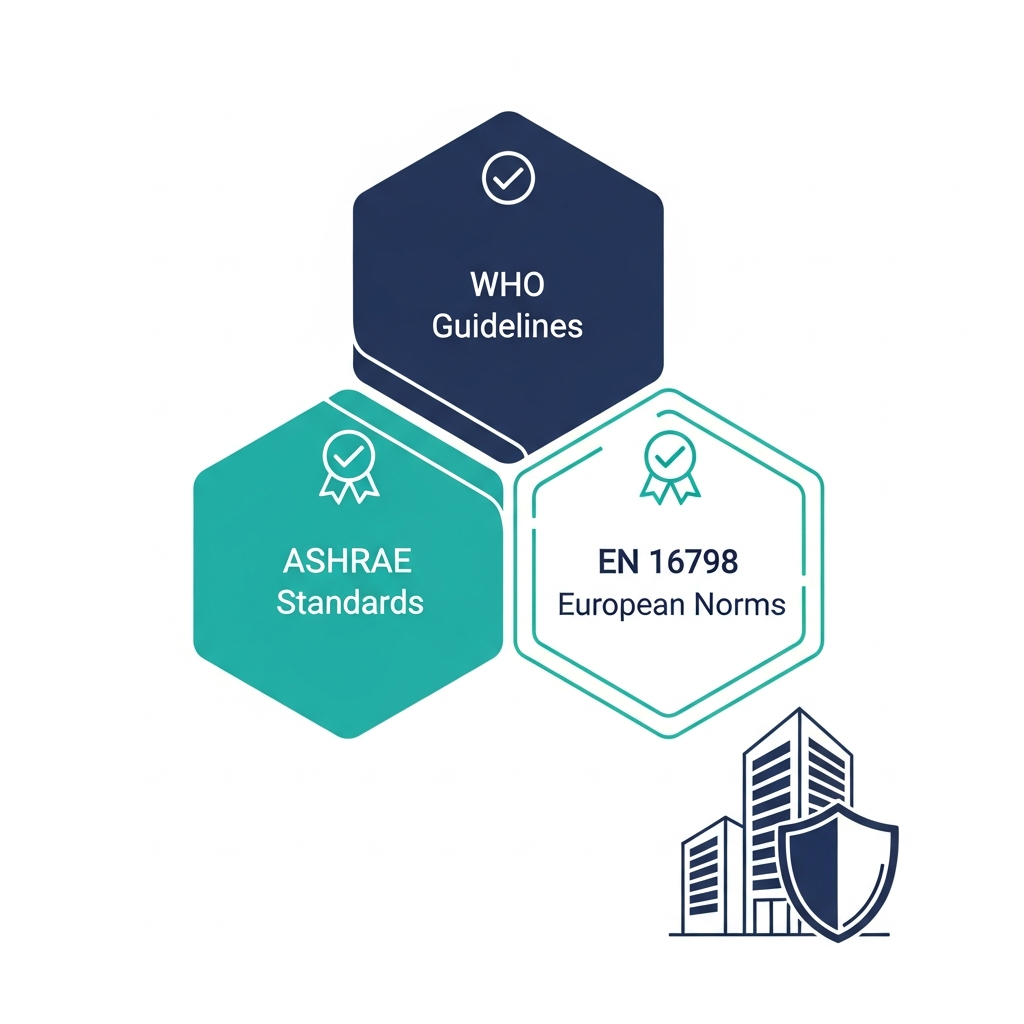
Indoor air quality projects are often driven by health expectations, ESG and smart building policies, school and workplace comfort goals, and ventilation and risk-management guidelines. Understanding the relevant frameworks helps define monitoring strategy, ventilation targets, and building-performance expectations.
WHO Air Quality Guidelines
The World Health Organization provides guidelines on air quality including particulate matter thresholds. These recommendations are relevant for understanding PM-related health impacts and setting monitoring objectives in buildings concerned with occupant health.
ASHRAE Standard 241
ASHRAE 241 addresses control of infectious aerosols and provides guidance for healthier indoor environments. This standard is particularly relevant for healthcare, educational, and commercial buildings seeking to reduce airborne transmission risks.
EN 16798 Family
In Europe, the EN 16798 standards are relevant to indoor environmental quality, ventilation requirements, and inspection frameworks. These provide guidance for designing and operating buildings to meet indoor environment quality expectations.
Important: IAQ monitoring supports evidence-based building management and can help organizations document conditions, identify issues, and prioritize corrective actions. While sensors provide data, compliance with specific standards depends on how that data is used within broader building management and ventilation strategies.
IAQ monitoring helps with:
Where Indoor Air Quality Monitoring Delivers Value
IAQ monitoring provides operational benefits across a wide range of building types. Each environment has specific requirements that drive sensor selection and deployment strategy.
Offices
Improve workplace comfort and environment quality. Monitor CO2 levels to ensure adequate ventilation, optimize temperature for productivity, and demonstrate commitment to employee well-being.
Schools and Universities
Support classroom ventilation and create better learning environments. Research shows that elevated CO2 levels in classrooms correlate with reduced cognitive performance and increased absenteeism.
Healthcare and Clinics
Monitor sensitive indoor environments where air quality directly affects patient outcomes. PM and TVOC monitoring is particularly relevant in clinical settings, waiting rooms, and patient care areas.
Municipal Buildings
Bring visibility to public indoor environments including libraries, community centers, and government offices. Support transparency and demonstrate responsible public facility management.
Commercial Real Estate
Benchmark and monitor multiple buildings consistently across portfolios. Provide tenants with healthy building credentials and support ESG reporting requirements.
Industrial Indoor Spaces
Monitor indoor conditions where comfort, process control, or worker safety matter. Track particulates in manufacturing environments and ensure compliance with workplace health standards.
Why 0g Baltics
We bring practical IoT deployment expertise to indoor air quality monitoring projects across the Baltic region.
Baltics Market Focus
Local presence and understanding of regional requirements
Practical IoT Expertise
Real-world deployment experience across building types
Multi-Connectivity
LoRaWAN, Sigfox, and hybrid architectures
Frequently Asked Questions
Everything you need to know about indoor air quality monitoring
IAQ monitoring uses sensors to continuously measure CO2, temperature, humidity, PM, and VOC in indoor spaces.
Start with CO2 and temperature. Add humidity, PM, or VOC based on your specific needs.
Typically one sensor per room or zone. Large spaces may need multiple sensors.
Professional sensors typically operate 5-10 years on battery power.
Improve air quality in your buildings
Contact Us
Let's Discuss Your IoT Project
Whether you're looking to deploy smart infrastructure, reduce operational costs, or explore IoT solutions, we're here to help.
What to expect
- •Response within 24 business hours
- •Initial consultation to understand your needs
- •Tailored solution proposal